🐾 Introduction
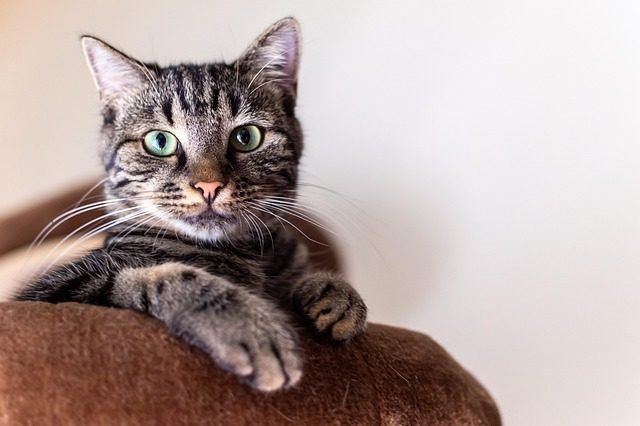
Bengal cats are beloved for their stunning spotted coats and playful personalities. If you’ve ever wondered, “why is my Bengal cat shedding,” you’re not alone. Although Bengals are known for being low-shedding due to their short, dense fur, they do shed year-round.
Shedding often increases during seasonal changes, especially in spring and fall, when they lose their winter or summer coats. Understanding these typical shedding patterns is essential for proper Bengal cat care. Experts, including veterinary professionals and certified feline organizations like the International Cat Association (TICA), recognize that regular grooming can help manage shedding and maintain your cat’s healthy coat.
Common misconceptions suggest Bengals don’t shed at all, but this simply isn’t true. With proper brushing and attention to their diet and environment, Bengal owners can keep shedding under control and ensure their cats remain comfortable and vibrant. Recognizing normal shedding patterns helps detect any unusual health concerns early on.
🔑 What You’ll Learn & Why It Matters
- Typical Shedding Patterns: Understanding when Bengal cats shed helps in managing their coat health effectively.
- Causes of Excessive Shedding: Identifying factors like stress or health issues ensures early intervention and care.
- Proper Care Practices: Regular grooming and nutrition play a key role in maintaining a healthy and vibrant Bengal coat.
🧴 Understanding Bengal Cat Shedding
Bengal cats are known for their beautiful short, dense coats that shed less than many other breeds. However, if you notice your Bengal shedding more than usual, there may be several reasons behind it. Common causes of excessive shedding include stress, poor diet, allergies, parasites such as fleas, thyroid problems, or other underlying medical conditions.
Bengals typically shed year-round, with more hair falling out during spring and fall when their coats adjust to changing temperatures. Stress can make your cat shed more because it affects their overall health. Similarly, if your Bengal is not eating a balanced diet rich in essential nutrients, their fur may become dull and fall out excessively.
Allergies, whether to food, environmental factors, or fleas, can irritate your cat’s skin, causing more shedding. Parasites not only bother your cat but can also lead to patchy hair loss. Thyroid issues and other medical problems may also contribute to abnormal shedding and require veterinary diagnosis.
To manage this, monitor your Bengal’s shedding closely over a two-week period. Regular brushing helps remove loose fur and keeps the coat healthy. Ensure your cat eats high-quality food designed for feline coat health.
If you observe bald patches, scabs, or itching or if shedding doesn’t improve, consult a veterinarian immediately. The American Association of Feline Practitioners and other veterinary organizations emphasize early detection and treatment to prevent coat and skin problems from worsening.
Remember, while some shedding is normal, excessive hair loss signals a need for professional care. Maintaining routine grooming and vet check-ups will keep your Bengal’s coat shiny and your cat comfortable.
⚖️ Factors Affecting Bengal Cat Size
Bengal cats usually weigh between 6 and 15 pounds, with males often larger than females. If your Bengal seems smaller than expected, several factors could explain its size. Genetics play a big role — some Bengals inherit traits that make them naturally smaller.
Also, Bengals are highly active cats; their energetic lifestyle can sometimes make them appear leaner or less bulky. Health and nutrition are important too. Parasites, thyroid problems, or dwarfism can affect growth.
Feeding an unbalanced diet or one lacking essential nutrients can stunt development. It’s important to recognize healthy growth milestones. By six months, Bengals typically reach about half their adult weight, increasing steadily until one year.
If your cat falls well below the breed’s typical weight range or shows poor coat condition, lethargy, or digestive issues, it’s time to consult your veterinarian. Regular vet check-ups can identify health concerns early, and a balanced, protein-rich diet supports proper growth. Nutritional plans tailored for Bengals, who have high energy demands, help avoid growth delays.
Trust reliable sources and feline health standards when assessing size. In conclusion, Bengal cats vary in size due to genetics, activity levels, and health. Monitoring your cat’s growth, providing good nutrition, and seeking veterinary advice ensure your Bengal grows strong and healthy.
🐱 Aging Bengal Cats and Loss of Purring
As Bengal cats age, some owners notice their pets stop purring. This change can signal underlying health issues. Common causes include pain from arthritis, discomfort due to dental disease, stress from environmental changes, or respiratory problems that make breathing and vocalizing difficult.
Since purring masks pain in cats, a sudden loss can indicate they are not feeling well. Owners should watch for signs like reduced appetite, lethargy, hiding, coughing, or difficulty eating. If these symptoms accompany lost purring, prompt veterinary care is important.
Certified veterinarians perform thorough hands-on exams, including physical assessments, dental checks, and sometimes X-rays or blood tests to identify problems. Diagnosis typically takes one or two appointments, with tools such as stethoscopes and imaging devices aiding evaluations.
Managing the causes may involve pain relief, dental treatment, or addressing respiratory illnesses. Stress reduction through enriched environments can also help. Early veterinary intervention improves quality of life.
In summary, staying mindful of your senior Bengal cat’s behavior and scheduling regular vet visits supports their health and happiness as they age. These steps ensure that any loss of purring is properly understood and treated by professionals.
🌿 Origins and Purpose of Breeding Bengal Cats
Bengal cats were bred to combine the wild beauty of the Asian Leopard Cat with the gentle nature of domestic breeds. Breeders aimed to capture the exotic spotted coat of the wild Asian Leopard Cat (Prionailurus bengalensis) alongside the friendly and playful temperament of breeds like the Egyptian Mau and Abyssinian. This unique blending creates a strikingly beautiful cat that is both visually wild and behaviorally suitable for families.
According to The International Cat Association (TICA), Bengals were officially recognized as a breed in 1986, marking an important milestone in their development. Expert breed standards emphasize that Bengals exhibit a balance of wild aesthetics and a temperament that is affectionate, intelligent, and energetic. While Bengals offer the practical benefit of low shedding, their high activity and curiosity require engaging environments.
These qualities reflect both the advantages and challenges intentionally bred into the breed to match owners’ expectations. In summary, knowing the Bengal cat’s origins helps owners better understand their behavior and care needs. This insight promotes a rewarding, well-informed relationship with these distinctive cats.
🏠 Challenges in Rehoming Bengal Cats and Shelter Acceptance Issues
Bengal cats often face challenges in being accepted by standard animal shelters and protection groups. This difficulty stems from their exotic hybrid status—descended partly from wild Asian Leopard Cats—which means they have special care needs and behaviors different from typical domestic cats. Many shelters lack the expertise, resources, or legal approval to house and care for Bengals safely.
Additionally, shelter policies may require Bengals to be surrendered back to breeders instead of rehomed through usual channels. Specialized organizations like Bengal Rescue focus solely on Bengal cats. They understand the breed’s unique requirements and work to place Bengals in responsible, knowledgeable homes.
According to animal welfare standards, hybrid cats require careful screening of adopters and tailored care to ensure their well-being. Owners needing to rehome Bengals should start contacting such groups early—ideally weeks or months in advance—since finding the right adopter takes time. Prioritizing informed, breed-specific rehoming ensures Bengals receive the care and attention they deserve.
Conclusion: To protect Bengal cats’ health and happiness, rescue and shelter approaches must be informed and specialized. Standard shelters often cannot meet Bengals’ needs, so supporting dedicated rescues and educating potential adopters is critical. This helps Bengals find safe, loving homes suited to their unique nature.
🎉 Reasons to Get or Not Get a Bengal Cat
Getting a Bengal cat means welcoming a striking, intelligent, and playful companion into your home. Bengals have unique spotted coats that look wild yet beautiful. They are smart and easy to train, and many love playing with water—quite unusual for cats!
Bengals also shed very little, which makes cleaning easier, and they often form strong bonds with their owners. Experts highlight their active nature and social intelligence as great reasons for lovers to choose this breed. However, Bengal cats are not for everyone.
They have very high energy and need lots of mental and physical activity daily. Without proper stimulation, they may become vocal or even destructive, scratching furniture or knocking things over. Their lively behavior requires patience and dedication.
In addition, Bengals can be costly to own, with special dietary and veterinary needs including monitoring for genetic health issues. Veterinarians advise prospective owners to prepare with a variety of toys, climbing spaces, and at least one hour of interactive play every day to maintain a happy Bengal. Assessing your lifestyle compatibility and willingness to invest time and money is key.
In summary, Bengals make extraordinary pets when matched with an active, committed owner. Understanding both their wonderful traits and demanding needs ensures a happy life for the cat and owner alike. For those ready to meet the challenge, Bengals offer unmatched companionship and charm.
🛋️ Managing Bengal Cat Behavior and Activity
Bengal cats are not naturally destructive, but they are very active and intelligent, which means they can sometimes scratch furniture, chew, or knock over items if bored or unstimulated. To protect your home, provide sturdy scratching posts and vertical climbing spaces like cat trees. Interactive toys and puzzle feeders help keep their sharp minds busy.
Positive reinforcement, such as treats or praise when they use their toys or scratching posts, encourages good behavior. Studies on feline behavior stress the importance of environmental enrichment for energetic breeds like Bengals to prevent unwanted habits. Typically, with consistent effort, behavior improvements can be seen within a few weeks to a couple of months.
Creating a stimulating environment tailored to your Bengal’s high energy level is key to both preserving your furniture and ensuring a happy, well-adjusted cat.
Summary: Bengal cats won’t ruin your house if you keep them entertained. Use quality scratching posts, climbing areas, and engaging toys, and reward good behavior. These steps help curb destructive actions and support your Bengal’s mental and physical health, making your home a happy place for everyone.
🦁 Natural Hunting Instincts in Bengal Cats
Bengal cats inherit strong hunting instincts from their Asian Leopard Cat ancestors. This means they naturally enjoy stalking and catching small prey such as mice or rodents. These predatory behaviors are part of what makes Bengals unique.
For owners, this means indoor Bengals may try to “hunt” toys or moving objects, while supervised outdoor time can allow safe exploration of natural behaviors. Animal behaviorists with certifications emphasize the importance of mental and physical stimulation to satisfy these instincts without encouraging harm to local wildlife.
Providing interactive toys like feather wands or puzzle feeders can keep Bengals engaged while protecting birds and small animals. Experts recommend keeping outdoor sessions controlled with harnesses or enclosed spaces to avoid unsupervised hunting. Understanding and managing these natural drives helps maintain your Bengal’s well-being and respects local ecosystems.
Conclusion: Owning a Bengal means embracing their natural hunting drive responsibly. By offering safe outlets for their instincts and monitoring outdoor activity, owners can keep Bengals happy and healthy while protecting the environment. Responsible care includes providing enrichment and supervision to balance these wild tendencies with domestic safety.
🛏️ Bengal Cat Sleeping Habits
Bengal cats may or may not choose to sleep with you, and their sleeping habits vary widely. Whether a Bengal curls up beside you depends on their unique personality, age, health, and past experiences. Many Bengal owners share that young or highly active Bengals often prefer climbing and exploring at night, while older or more relaxed Bengals may enjoy cozying up for warmth and comfort.
Research on feline behavior shows that cats bond through closeness, so co-sleeping can strengthen your relationship if your Bengal is comfortable. Experts recommend setting up a calming, inviting sleeping spot near your bed with soft blankets to encourage sharing the space. But always respect your cat’s preference if they prefer their own corner or tall perches.
In summary, Bengal cats have varied sleeping preferences influenced by their temperament and experiences. Owners should observe and adapt to what feels best for their Bengal, ensuring both comfort and trust for healthy bonding and restful nights.
🔥 Will My Bengal Cat Calm Down?
Bengal cats are known for their lively, spirited nature. Typically, Bengals begin to mellow as they grow older, especially after reaching 2 to 3 years of age. While they do calm down, they often maintain more energy compared to many other cat breeds.
To help reduce their hyperactivity, spaying or neutering is encouraged, as it stabilizes hormones linked to excitable behavior. Providing ample environmental enrichment like interactive toys, climbing trees, and puzzle feeders helps channel their natural energy healthily. Patient, consistent training using positive reinforcement recommended by veterinary behaviorists and certified cat behaviorists can also manage their active tendencies effectively.
Bengals thrive when mentally and physically stimulated, so tailoring their surroundings to their energetic personality is essential for a balanced pet. Conclusion: Understanding that Bengals retain some of their vibrant energy throughout life helps set realistic expectations. With time, affection, and thoughtfully applied behavior management, owners can enjoy a more settled, yet still playful Bengal companion.
Sources
- Bengal Rescue – Challenges in Rehoming Bengal Cats and Shelter Acceptance Issues
- Dial A Vet – Factors Contributing to Small Size in Bengal Cats
- VetBilim – Loss of Purring in Older Bengal Cats: Causes and Solutions
- Paws and Playful – Bengal Cat Behavior Management
- Reddit Bengal Cats – Shedding Inquiry and Behavior
- Royal Bengal Cattery – Understanding Why Bengal Cats Shed More Than Usual
- The International Cat Association (TICA) – Origins and Purpose of Breeding Bengal Cats
- NorCal Bengals – Factors Contributing to Small Size in Bengal Cats
- VetExplainSpets.com – Bengal Cat Sleeping Habits