🐆 Should I Get One or Two Bengal Cats?
Bengal cats are energetic, intelligent, and social pets, making the question, “Should I get a pair of Bengal cats?” a common consideration for enthusiasts. Understanding their unique social needs and lively nature is crucial before deciding to bring one or two Bengals into your home. Owning a pair can reduce loneliness and destructive behavior, especially if you’re away often, but it also means more care, space, and resources. Thoughtful planning ensures a happy and healthy Bengal experience.
🔑 What You’ll Learn & Why It Matters
- Benefits and challenges of owning one versus two Bengals: Learn how companionship affects behavior and owner commitment.
- Proper introduction methods for adding a second Bengal: Understand gradual steps to ensure harmony between cats.
- Indoor versus outdoor Bengal care considerations: Discover best practices for safety and enrichment.
🐾 Benefits and Challenges of Owning One or Two Bengals
Bengal cats are known for their vibrant personalities, high energy, and social nature. When considering “should I get a pair of Bengal cats,” it’s important to weigh the benefits and challenges of owning one versus two. Bengals thrive on interaction and mental stimulation.
When left alone, they can become bored, anxious, or destructive. Having two Bengals can naturally provide companionship, play, and mutual grooming, reducing loneliness and behavioral issues. Experts highlight that a pair often keeps each other entertained, especially if the owner’s daily schedule limits interaction time.
For busy households or owners frequently away, two cats might be the better option to meet the Bengals’ social needs. However, owning two Bengals means doubling expenses—food, vaccinations, veterinary care, and enrichment toys—as well as requiring more space in your home. Bengals are active climbers who need vertical spaces and interactive play areas.
Assess your living environment and budget carefully before deciding. If you have ample time for dedicated play sessions, a single Bengal can be happy and engaged. Feline behaviorists recommend gradual introductions if adding a second Bengal or another active breed. Scent swapping and supervised visits help cats acclimate and reduce conflict.
Realistic scenarios include an owner working from home with one Bengal enjoying focused play or a family that’s often out opting for two Bengals to keep each other company. In summary, “should I get a pair of Bengal cats” depends on your lifestyle, time availability, space, and budget. Two Bengals can reduce loneliness and destructive behavior but require more commitment. A single Bengal needs active engagement from the owner. Either way, Bengals are loving, active companions that thrive with enrichment and social interaction.
🧩 Adding Another Cat for Your Bengal
Introducing a new cat to a household with a Bengal requires thoughtful preparation to ensure harmony. Bengals are energetic and social, often benefiting from having a feline companion, especially another active breed or a second Bengal. Owners often wonder, “should I get another cat for my Bengal?” The answer depends on lifestyle and space; two Bengals can alleviate boredom but demand more resources.
When considering “what cat breeds get along with Bengals,” active and playful breeds like Abyssinians or Siamese generally mesh well due to similar energy levels. Gradual introductions are key: begin with scent swapping by exchanging bedding between cats to familiarize them with each other’s smell. Follow with short, supervised visual meetings separated by a barrier.
Slowly increase interaction time, watching for signs of stress. Maintain separate resources such as litter boxes and feeding areas to prevent territorial disputes. Managing temperament quirks—Bengals’ vocal and curious nature—means providing ample enrichment and structured play to reduce tension. Experts advise patience; some cats bond quickly, but others need weeks.
Real-world examples show that two Bengals housed with ample vertical space, toys, and interactive play establish strong bonds. In contrast, forcing quick intimacies can lead to fights. With gradual steps and understanding, adding another cat can enhance your Bengal’s happiness and family dynamic.
Source: Reddit Bengal Cats Community
🏡 Should You Keep Bengal Cats Indoors or Let Them Outside?
When deciding whether to keep Bengal cats indoors or allow outdoor access, there are important health, safety, and behavioral factors to consider. Bengals are a highly intelligent and energetic breed that thrives with mental and physical stimulation. Therefore, enriched indoor environments with climbing spaces, interactive toys, and daily playtime are essential if you choose to keep them indoors.
This controlled setting reduces risks such as exposure to infectious diseases, parasites, vehicle accidents, and theft, which are significant concerns given Bengals’ high value and adventurous nature. Veterinary professionals generally recommend keeping Bengals indoors to maximize safety and longevity. However, many owners seek ways to safely let their Bengal cats experience the outdoors.
Supervised activities like harness walking or allowing access to a secure outdoor enclosure—a “catio“—provide enrichment and satisfy their curiosity while minimizing dangers. These options support natural instincts without exposing cats to free roaming risks. Should you keep Bengal cats indoors? Yes, ideally, but supervised outdoor access is a valuable compromise.
Should you let your Bengal cat outside freely? It is typically discouraged due to higher hazards. Providing an engaging indoor environment combined with safe supervised outdoor activities aligns best with expert advice. Ultimately, the decision balances your Bengal’s safety with their need for stimulation. Owners should invest in enrichment and supervision strategies to ensure a happy, healthy Bengal whether indoors or enjoying controlled outdoor time.
📈 Bengal Cats Growth, Diet, and Development
Bengal cats experience distinct growth stages, with most reaching full size between 12 and 18 months. However, muscle development and overall physique refinement continue up to about 2 years of age. Typically, male Bengals weigh between 4.5 to 6.8 kilograms (10 to 15 pounds), while females are slightly smaller, averaging 3.6 to 5.4 kilograms (8 to 12 pounds).
The growth of Bengal cats is characterized by rapid kitten development in the first few months, followed by steady growth during their first year. According to veterinary data and breeder insights, Bengals require a high-protein diet to support their active metabolism and muscular build. Understanding what age are Bengal cats fully grown helps owners provide proper nutrition, exercise, and veterinary care tailored to each growth phase.
Keeping Bengals indoors with appropriate enrichment can also facilitate healthy development free from outdoor hazards. This information ensures Bengal owners can monitor and support their cat’s growth effectively.
Source: Registered Bengals | Source: Bengal Best Life | Source: Quora
📜 What Are Bengal Cats? Breed History and Characteristics
Bengal cats are a distinctive and exotic breed known for their wild appearance and lively personality. But what are Bengal cats exactly? They are a hybrid breed developed by crossing the Asian Leopard Cat (Prionailurus bengalensis) with various domestic cat breeds such as the Egyptian Mau, Abyssinian, and American Shorthair beginning in the 1960s and 1970s in the United States. This deliberate breeding was intended to create a domestic cat that retained the striking coat patterns and physical traits reminiscent of wild cats.
So, what breeds make a Bengal cat? Primarily, the foundation is the Asian Leopard Cat combined with domestic breeds that contribute to their sociable disposition and manageable temperament. Breed registries like The International Cat Association (TICA) recognized Bengals in 1986, acknowledging their unique heritage and distinctive qualities.
Bengal cats are especially known for their exotic leopard-like coat, which can be spotted or marbled, often with a shimmering “glitter” effect that gives their fur an iridescent quality. Their colors range from brown and snow variants to rare blue and melanistic (black). What are Bengal cats known for besides their stunning looks? These cats boast high intelligence, athleticism, and a playful, curious temperament. They often display a remarkable affinity for water—a rare trait among domestic cats—and enjoy interactive activities such as fetch and puzzle toys.
Bengals are vocal and form strong social bonds, requiring plenty of mental stimulation and engagement. Genetic studies confirm the hybrid origin, combining the wild genes of the Asian Leopard Cat with temperaments from domestic breeds, resulting in a breed that is both unique and interactive. Their blend of beauty and personality makes them a standout choice for experienced cat owners who can meet their energetic needs.
Source: Registered Bengals Blog
🌈 What Do Bengal Cats Look Like?
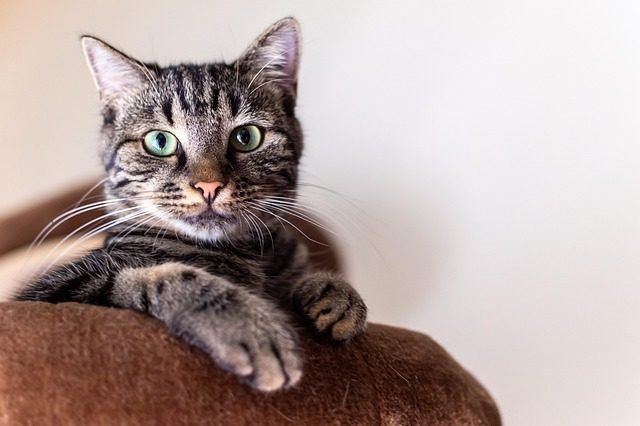
Bengal cats are strikingly beautiful felines known for their exotic appearance. If you’re wondering, “what do Bengal cats look like?”—they boast a muscular, sleek body covered in a uniquely patterned coat. Their fur displays either spotted (rosetted) or marbled patterns that resemble the wild Asian Leopard Cat from which they descend.
Bengal cats‘ coat colors vary widely; so what colors do Bengal cats come in? Typically includes brown, snow (seal lynx, mink, sepia), silver, charcoal, melanistic (black), and even the rare blue variant. One distinctive trait admired by breeders and enthusiasts is the shimmering “glitter” effect on their coat, creating an eye-catching sparkle under light.
As for “what do Bengal cats ears look like?” their ears are small with rounded tips, set wide at the base and positioned toward the side of the head, enhancing their alert and wild appearance. These features align with breed standards established by cat associations and expert breeders, highlighting both their elegance and athletic build.
❤️ Bengal Cats Health, Diet, and Care Essentials
Bengal cats are a striking and energetic breed, but they come with specific health considerations and care needs that owners must address. Knowing what diseases are Bengal cats prone to is essential for maintaining their well-being. Common health issues include hypertrophic cardiomyopathy (HCM), a hereditary heart condition; progressive retinal atrophy (PRA), which affects vision; hip dysplasia and patellar luxation causing joint problems; and dental diseases.
Regular veterinary check-ups are crucial for early detection and management of these conditions. When considering what are the best foods for a Bengal cat, a high-protein diet is paramount. Being active and muscular, Bengals thrive on grain-free wet or raw foods that contain ample animal protein and minimal fillers or carbohydrates. Fresh water should always be accessible to support their hydration and kidney health.
Nutritional quality helps sustain their energy and maintains their sleek coat. Grooming and general care also play vital roles. Bengals require weekly brushing to remove loose hair and occasional baths, which many enjoy due to their affinity for water. Nail trimming every two to three weeks prevents overgrowth and related issues, while dental care—such as brushing or dental treats—helps avert periodontal disease.
Finally, what do you need for a Bengal cat beyond diet and medical care includes enriching activities like climbing structures, interactive toys, and mental stimulation, since the breed is highly intelligent and playful. They do well indoors with supervised outdoor time to stay safe. Providing companionship, whether a second Bengal or active pet, can reduce boredom and promote emotional health.
By combining attentive health monitoring, a protein-rich diet, proper grooming, and enriching environment, Bengal owners can ensure their cats live vibrant and healthy lives.
🎓 Bengal Cats Personality and Training
Bengal cats are known for their striking appearance and vibrant personalities. So, what are Bengal cats like? They are highly intelligent, playful, and vocal creatures. Their quirks and temperaments include enjoying interactive play, being curious explorers, and often chirping or meowing to communicate.
Bengals are not typical lap cats but express affection through play and companionship. When it comes to training, Bengals excel due to their sharp minds. What can you teach a Bengal cat? They can learn tricks, leash walking, and even complex behaviors like opening doors using clicker training or treats as motivation.
Practical training tips include consistent positive reinforcement, engaging play sessions with toys like wand toys or puzzle feeders, and providing mental stimulation to prevent boredom-related behaviors. To manage their behavior effectively, ensure daily interactive play, maintain a stimulating environment with climbing structures, and consider having two Bengals to fulfill their social needs.