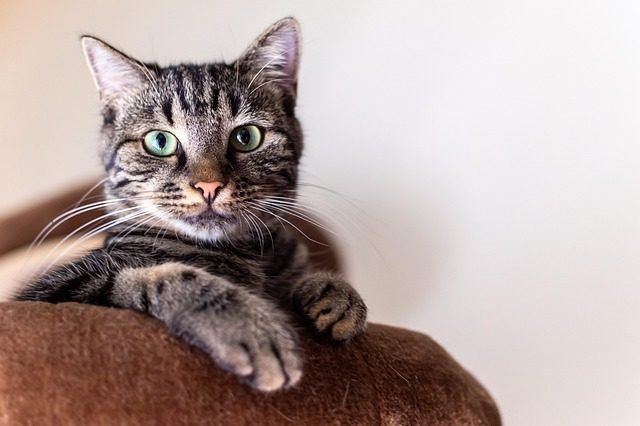
🐆 Introduction to Bengal Cats and Their Care
Bengal cats are a strikingly beautiful and energetic breed, renowned for their wild, leopard-like spots and playful intelligence. Owners and enthusiasts must understand the importance of keeping these cats entertained and well cared for, as their high activity levels and keen hunting instincts require regular mental and physical stimulation. Proper care, including interactive play, environmental enrichment, and positive training, enhances their wellbeing and happiness.
Bengal cats thrive in homes that meet their unique needs, forging strong bonds through attentive and informed care, making them joyful and affectionate companions.
Source: Facebook Bengal Cats Group,How to Keep Bengal Cats Entertained
🎾 Interactive Play Methods
🔑 What You’ll Learn & Why It Matters
- Interactive Play Methods: Engaging your Bengal cat with wand toys and puzzle feeders activates their hunting instincts and sharp mind.
- Environmental Enrichment: Creating vertical climbing spaces and rotating toys enriches their adventurous spirit and prevents boredom.
- Supplementary Entertainment Tools: Automated and remote interaction devices support independent play and strengthen bonds when you are away.
Interactive play is crucial for a Bengal’s well-being, encouraging exercise and activating their natural hunting instincts. Wand toys featuring feathers or small plush prey can spark a hunting chase, giving your cat satisfying physical activity while strengthening your bond. Similarly, laser pointers provide fast-paced chases that satisfy a Bengal’s agility and speed.
It is recommended to engage with these toys for sessions lasting 15 to 30 minutes daily, ideally split across two sessions to keep them fresh and prevent fatigue. Puzzle feeders are exceptional for psychological enrichment. These toys encourage cats to work for their food or treats, stimulating problem-solving skills and reducing mealtime boredom.
Regularly using such feeders can keep your Bengal mentally sharp and physically active.
🏡 Environmental Enrichment
Creating a dynamic environment at home significantly benefits Bengal cats. Cat trees with multiple levels allow them to climb and perch, catering to their adventurous spirit. Wall-mounted shelves can extend their vertical territory, offering climbing routes that lead to high perches or window seats, where they can sunbathe and bird-watch—a favourite pastime with mental stimulation.
To prevent monotony, rotate toys weekly. Introducing water play (with supervision) or safe indoor walks on a harness can further diversify their experiences, enhancing their quality of life.
🎮 Supplementary Entertainment Tools
For owners who spend time away, automated laser toys and battery-powered interactive devices can provide independent entertainment. These devices mimic prey movements, keeping your Bengal engaged during moments alone. Additionally, cat cams allow remote interaction, offering opportunities to dispense treats or talk to your pet, strengthening emotional connection despite physical absence.
In conclusion, a combination of daily interactive play, a well-structured environment, and supplementary tools will keep your Bengal cat entertained, happy, and healthy. Tailoring these activities to your cat’s preferences ensures a stimulating life for this high-energy and intelligent breed.
Source: Facebook Bengal Cats Enthusiasts Group,🚫 Keep Off Counters
🚫 Keep Counters Off Bengals
Bengal cats are naturally curious and agile, often jumping onto kitchen counters, which can be problematic. To discourage this behaviour effectively, start by providing attractive alternatives. High vantage points such as cat trees, wall-mounted shelves, or window perches offer engaging spaces where Bengals can climb and survey their environment safely.
These alternatives satisfy their climbing instincts and reduce the appeal of counters. Next, employ deterrents on counters to make them uncomfortable or unappealing. Common methods include temporarily placing aluminium foil, double-sided sticky tape, or commercially available scat mats.
These items create textures Bengal cats dislike, discouraging them from jumping up. Remember to remove any food or water sources from counters to avoid attracting your cat there.
Positive training techniques complement deterrents well. Clicker training is particularly effective; use a clicker followed by treats to reward your Bengal cat when it chooses the alternative spots instead of the counter. Consistency is vital—reward appropriate behaviour daily and gently redirect unwanted actions. Expect progress within a few weeks with patient, positive reinforcement.
By combining appealing climbing options, effective deterrents, and reward-based training grounded in well-established feline behaviour methods, you can reliably keep your Bengal off counters while maintaining trust and enhancing your cat’s wellbeing.
Source: Petfel,General Care and Maintenance of Bengal Cats
🩺 General Care and Maintenance of Bengal Cats
Looking after a Bengal cat, and similarly a Bengal Persian, requires attention to their unique nutritional, health, grooming, and environmental needs to ensure they remain happy and healthy.
Nutrition-wise, Bengals thrive on a high-quality, protein-rich diet that supports their active lifestyle. Providing wet or dry food formulated for high protein is essential, alongside constant access to fresh water. Using water fountains is highly recommended to encourage regular hydration, as Bengals are known to prefer running water and this can prevent urinary tract issues common in cats.
Regular veterinary checkups are vital for monitoring Bengal-specific health concerns. Bengals have a predisposition to hypertrophic cardiomyopathy (HCM) and hip dysplasia; therefore, annual screenings for heart and joint health should be part of their routine veterinary care. Maintaining vaccinations, parasite control, and dental examinations supports their overall wellbeing.
Grooming Bengals involves weekly brushing to manage their short, dense coat and reduce shedding. Though their fur is generally low-maintenance, occasional baths help keep them clean, especially if they get into outdoor adventures. Regular nail trims are necessary to prevent overgrowth and damage, while routine ear cleaning prevents infections. Dental hygiene should not be overlooked—daily or frequent tooth brushing with cat-safe toothpaste can stave off periodontal disease.
Litter box maintenance supports hygiene and comfort. Bengals often prefer covered litter trays with high sides placed in quiet, accessible areas. Cleaning the litter box daily ensures the cat uses it consistently and prevents behavioural issues.
Many UK-based authorities on feline care, including veterinary professionals and experienced breeders, emphasise this holistic approach to Bengal cat care for best results. Adhering to these guidelines ensures that Bengals flourish as affectionate, energetic companions with strong health foundations.
Source: Untamed Bengal Cat Care Guide,Play and Training for Bengal Cats
🧩 Play and Training for Bengal Cats
Bengal cats are exceptionally energetic and intelligent, requiring plenty of mental and physical stimulation to stay happy and healthy. To keep Bengal cats entertained and engaged, structured play techniques that mimic their natural hunting instincts are highly effective. Interactive wand toys simulate prey movements, encouraging Bengals to pounce and chase, while treat hunts involve hiding snacks around the house to satisfy their keen sense of smell and love of foraging.
Water play, such as gently splashing in a shallow basin or using pet-safe fountains, can provide unique sensory stimulation. Additionally, fetch games are beneficial as Bengals can learn to retrieve small toys, providing both exercise and bonding time.
Training should be approached with positivity and consistency. Using clicker training combined with high-value treats helps teach distinctions like “sit,” “fetch,” “high five,” and even leash walking. Sessions should be kept short—about 10 to 15 minutes—and upbeat to maintain the cat’s interest and prevent frustration. Frequent, brief training nurtures a Bengal’s sharp mind and fosters a deeper relationship between the cat and owner.
Experts from UK-based cat behaviourists, such as those following standards set by the International Association of Animal Behaviour Consultants (IAABC), recommend reinforcing positive behaviour and creating enriching play environments. By structuring play and training thoughtfully, Bengal cats remain mentally stimulated, physically active, and emotionally content.
Source: Facebook Bengal Cat Owners Group,Taming and Socialising Bengal Cats
🤝 Taming and Socialising Bengal Cats
Socialising and taming Bengal cats effectively involves gentle, consistent effort to build trust and confidence. Begin by handling your Bengal calmly during feeding, grooming, and playtime. This positive, gentle interaction encourages your cat to associate you with comfort and safety, essential for forming a strong bond.
Use soft voices and slow movements—techniques supported by recognised animal behaviour experts and certifications in feline psychology—to reduce stress and foster trust. Introduce new people, pets, and environments gradually. Allow your Bengal to observe strangers from a distance before close interaction, rewarding calm behaviour with treats or praise.
When adding other pets, supervised introductions in neutral areas help minimise territorial disputes. For multi-pet households common in the UK, controlled and slow exposure is key—reward peaceful co-existence and never force interactions.
Practical examples include inviting friends over for short visits while giving your Bengal retreat spaces or engaging in interactive play during introductions to distract and calm. Switching environments step-by-step, such as brief supervised garden explorations before longer outings, also helps adaptation.
By applying patient, positive reinforcement strategies rooted in professional socialisation principles, Bengal owners in the UK can raise well-adjusted and affectionate companions who thrive in diverse households.
Source: Lonestar Bengals,Additional Considerations for Bengal Cat Owners
📋 Additional Considerations for Bengal Cat Owners
Pronunciation & Personality
The term “Bengal cat” is pronounced /ˈbɛŋɡəl kæt/ (BEN-gull cat), with the emphasis on the first syllable of “Bengal.” This is standard across UK English speakers and is important for clear communication among breeders and vets.
Catnip & Stimulation
Bengals usually respond positively to catnip, displaying playful or euphoric behaviour, yet individual reactions vary due to genetics. To prevent overstimulation, limit catnip exposure to brief sessions (5–15 minutes) a few times weekly. Moderation is advised to keep the experience enriching without negatively impacting their wild-like energy.
Indoor vs Outdoor Living
While Bengals are energetic and curious, keeping them indoors is generally recommended in the UK for safety from traffic, predators, and diseases. Indoor enrichment—such as climbing shelves, interactive toys, and supervised outdoor “catio” areas—can satisfy their activity needs. If outdoors, always use a secure harness and supervise to prevent escape or injury.
Frequently Asked Questions
Is a Bengal cat a good pet? Yes, for owners willing to meet their high activity and mental stimulation requirements. They are affectionate, trainable, and intelligent but need commitment.
Should I get a Bengal cat? Consider your lifestyle; Bengals require engagement and space. Prospective owners should research thoroughly, assessing if they can provide enrichment and companionship.
UK veterinary advice supports these points, emphasising responsible ownership to ensure Bengals thrive safely and happily.
Source: Facebook Bengal Cat Owners UK
Source: Reddit Bengal Cats Community
Source: Untamed – Bengal Cat Care
Source: Cats.com – Bengal Cat Facts,
Bengal cats thrive with enriched environments that stimulate their intelligence and energy. Consistent interactive play, training sessions, and varied physical activities are essential to keep them happy and healthy. Providing proper nutrition, grooming, and regular veterinary care supports their robust wellbeing.
Bengals make affectionate, intelligent companions when owners invest in their socialisation and mental engagement. For cat lovers in the UK, embracing these care principles ensures Bengal cats flourish as joyful, loyal pets.
Source: Facebook Group for Bengal Cat Enthusiasts