🐾 Introduction to Bengal Cats: Common Misconceptions and Facts
Bengal cats are often misunderstood, with many questions about their rarity, size, and personality. Contrary to what some might think, Bengals are not rare; they are actually one of the top pedigreed breeds in the UK, with thousands registered. They are medium to large in size, bigger than typical domestic cats but not huge.
Bengals are also known for their cleverness and sociable nature, loving to interact with their families. Learning about them through experience and trusted sources helps owners understand these special cats better, ensuring they thrive in loving homes.
Bengal cats are not considered particularly rare; they are one of the top pedigreed cat breeds in the United Kingdom. According to The International Cat Association (TICA), there are over 60,000 Bengals registered worldwide, demonstrating their popularity both in the UK and globally. This widespread registration indicates that Bengal cats are common among pedigreed breeds, offering enthusiasts reliable availability.
Regarding their size, Bengal cats are medium to large in stature and notably muscular and athletic in build. Male Bengals typically weigh between 9 and 15 pounds (4 to 6.8 kilograms) and measure 10 to 12 inches in height, with body lengths reaching up to 18 inches. Female Bengals are slightly smaller, typically weighing 6 to 12 pounds (2.7 to 5.4 kilograms).
Compared to the average domestic cat, Bengals are generally larger and more robust but are smaller than the largest breeds such as Maine Coons. While domestic cats vary significantly in size depending on breed and genetics, the average UK domestic cat usually weighs about 8 to 10 pounds, making Bengal males somewhat larger than typical domestic cats and females around average size. Accredited breeders and veterinary sources confirm that Bengals possess a strong, muscular physique that explains their athletic abilities and energy levels.
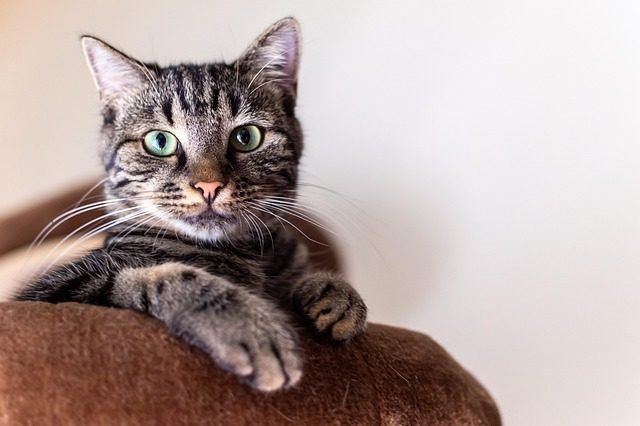
In summary, Bengal cats are neither rare nor small. They stand out for their medium to large size, athleticism, and distinct spots or marbled tabby patterns that differentiate them from other domestic breeds.
🔑 What You’ll Learn & Why It Matters
- Bengal cats are popular pedigreed breeds: Understanding their availability helps dispel myths about rarity.
- Bengals possess unique physical and behavioural traits: Knowing their size, intelligence, and sociability aids in proper care.
- Insight into Bengal care requirements: Awareness of activity needs and social tendencies promotes healthier owner-pet relationships.
🧠 Intelligence and Social Behaviour of Bengal Cats
Bengal cats are widely recognised as one of the most intelligent domestic cat breeds. When considering the question, “are Bengal cats smarter than normal cats,” research and observations indicate that Bengals possess heightened cognitive abilities. They can learn new commands quickly, solve puzzles, and even open doors, demonstrating problem-solving skills comparable to a young child.
Behavioural studies and owner reports suggest that their intelligence surpasses that of many regular domestic cats. This is partly due to their wild Asian leopard cat ancestry, which contributes to their sharp instincts and adaptability. Regarding the question “are Bengal cats social,” Bengals are notably social animals.
They form strong bonds with their human families and often enjoy interacting not only with people but also with other pets. Expert analyses from feline behaviourists describe Bengals as affectionate yet playful, often following their owners around and communicating vocally to seek attention. Unlike some cat breeds that may be standoffish, Bengals thrive on engagement and respond well to social interaction, which helps in forming deep emotional connections.
Their outgoing nature can require consistent interaction to maintain their happiness, highlighting their need for companionship. Both intelligence and social tendencies make Bengals delightful companions, especially for owners willing to invest time in engagement and play. These traits, supported by veterinary experts and experienced owners, reveal Bengals to be smart, sociable, and deeply interactive pets, often standing out among domestic cats for these qualities.
Source: The International Cat Association (TICA)
Source: PetMD
Source: Reddit r/bengalcats
💕 Affection, Temperament, and Behavioural Traits
Bengal cats are often asked about in terms of affection, with many wondering, “are Bengal cats very affectionate” and “are Bengals affectionate cats.” While Bengal cats may not fit the mould of the classic lap cat, they certainly display their affection in distinctive and engaging ways. Owners frequently observe behaviours such as head bunting — a clear sign of trust and affection — where the cat gently presses its head against a person.
Bengals also tend to follow their owners around, demonstrating a strong bond and social nature. Their playful spirit is another expression of affection, as they enjoy interactive play with toys and engaging in stimulating activities. Temperament-wise, Bengals can exhibit a degree of independence or even a standoffish nature at times, which might confuse new owners expecting constant cuddling.
However, this independence does not equate to aloofness; rather, Bengals prefer to show their love through interaction and engagement rather than passive lap sitting. Studies and expert observations confirm that Bengals require both mental and physical stimulation to express their affectionate and social tendencies fully. Owner testimonials often highlight the breed’s unique blend of affectionate loyalty paired with spirited independence, making them rewarding companions for those who appreciate their distinctive personality.
Source: PetMD | Source: Reddit r/bengalcats
💪 Strength, Energy, and Activity Levels
Bengal cats are renowned for their robust physical strength and high energy levels, making them among the most athletic and active domestic cat breeds. Are Bengal cats strong? Absolutely. Their muscular build, powerful legs, and agile frames reflect their wild ancestry, which includes the Asian leopard cat.
This heritage imbues them with exceptional climbing ability, leaping prowess, and endurance that outstrip most typical house cats. Concerning activity, Bengals are indeed hyperactive compared to many feline breeds. They require substantial daily mental and physical stimulation to maintain optimal health and behaviour.
Owners often observe their Bengals engaging in vigorous play sessions, such as chasing laser pointers, navigating climbing towers, or solving puzzle feeders. These activities help expend their considerable energy and satisfy their instinctual hunting drives. Without adequate engagement, Bengals may exhibit restlessness, destructive behaviours, or excessive vocalisation.
Veterinary and behavioural specialists emphasise that recognising the breed’s need for stimulation is essential for effective care. Their wild ancestry not only influences physical attributes but also contributes to their intelligence and inquisitive nature. Consequently, Bengal cats thrive in environments where interactive play and enriched habitats mimic the challenges they would face in the wild.
Understanding these traits enables prospective owners in the United Kingdom and beyond to provide responsible, fulfilling care tailored to this dynamic breed.
🎨 Coat Patterns: Are Bengal Cats Tabby?
Bengal cats exhibit stunning coat patterns that often lead to questions such as “are Bengal cats tabby?” and “are Bengal tabby cats?” While Bengal coat patterns derive from tabby genetics, it is important to distinguish between the Bengal breed itself and the tabby coat pattern. Tabby refers to a common feline coat pattern marked by stripes, spots, or swirls, found in many domestic cats.
In contrast, Bengals are a hybrid breed known specifically for their distinctive rosetted spots and marbled patterns which set them apart visually from typical tabby cats. According to credible cat breed associations like The International Cat Association (TICA) and research published on Bengal genetics, Bengals showcase either spotted (rosetted) or marbled coats.
The rosetted spots are reminiscent of wild leopard markings with complex ringed patterns, whereas the marbled pattern features bold flowing swirls. These distinctive coat types reflect the breed’s hybrid origins involving Asian leopard cats but are selectively bred for domestic traits. In summary, while Bengal coat markings fall under the general tabby category due to shared genetic background, “Bengal” refers to a uniquely patterned breed.
Enthusiasts seeking authoritative information should note that “are Bengal cats tabby” refers to their tabby-pattern ancestry, while “are Bengal tabby cats” points to specific Bengal breed standards highlighting rosettes and marbling not typical in standard tabby cats.
🔬 Reproductive Considerations and Fertility
Bengal cat breeding presents unique reproductive considerations, particularly concerning fertility. One common question is, “are Bengal cats sterile?” Research and breeder experience clarify that early-generation male Bengals (F1 to F3) often exhibit sterility. This phenomenon stems from chromosomal mismatches inherited from their wild Asian leopard cat ancestors, impacting sperm development and fertility.
Conversely, female Bengals from these generations typically remain fertile and can reproduce successfully. As breeding progresses, by the F4 generation and beyond, Bengal cats are considered “stud book tradition” (SBT), meaning they are fully domesticated and genetically more compatible with domestic cats. Male fertility is generally restored at this stage, allowing Bengals to reproduce without the reproductive limitations seen in earlier hybrids.
This pattern aligns with documented genetic studies and multigenerational breeder observations. Therefore, while early male Bengals may be sterile, Bengal cats as a breed are not inherently sterile and can reproduce effectively in later generations. Breeders aiming for sustainable lines must consider lineage carefully to optimize fertility outcomes.
Source: PetMD
Source: Tabby Cat Corner
Source: Wikipedia
🏡 Indoor Versus Outdoor Lifestyle and Health
Bengal cats make fascinating pets for UK households, known for their striking appearance and high energy. Regarding the question, can Bengal cats be kept indoors? Absolutely. Many owners prefer to keep Bengals indoors to protect them from hazards like traffic or predators.
Indoors, enrichment is vital; Bengals thrive with interactive toys, climbing trees, and puzzle feeders to satisfy their intelligence and active nature. Can Bengal cats go outside? Yes, but supervised outdoor time, such as in a secured garden or on a harness and lead, is recommended to ensure their safety. Unrestricted outdoor access could expose them to risks and reduce their lifespan.
Concerning behaviour, can Bengal cats be trained? Indeed, they are among the most trainable feline breeds due to their intelligence. Owners report success teaching commands, tricks, and even how to use interactive toys, which supports their mental stimulation. A common health consideration is, can Bengal cats get fleas? Like all cats, Bengals are susceptible.
Preventative treatment recommended by veterinarians, such as monthly flea control medication, regular grooming, and home hygiene, is essential to avoid infestations. In summary, Bengals flourish when given a stimulating, safe environment, consistent training, and proactive health care. Practical advice from UK Bengal owners and vets highlights that a balanced diet, enriched indoor life, and cautious outdoor exposure best support their well-being.
📋 Summary and Final Thoughts
Bengal cats are a distinctive and popular breed in the UK, known for their striking spotted or marbled coats and medium to large athletic build. While not rare, Bengals stand out due to their superior intelligence, sociable nature, and affectionate, playful bonds with owners. They showcase notable strength and energy, requiring ample mental and physical stimulation.
Early-generation males may face sterility issues, but later generations breed successfully. With proper care and enrichment, Bengals thrive as engaging, interactive pets. Their unique traits and loving temperament continue to endear them to enthusiasts and owners alike, making informed and responsible ownership essential.
⚕️ Additional Topics for Bengal Cat Owners
- Bengal Cat Health Considerations: Unique health profiles, including hypertrophic cardiomyopathy (HCM), progressive retinal atrophy (PRA), and hip dysplasia. Focus on preventive care, genetic screening, diet, and veterinary check-ups tailored to Bengals.
- Bengal Cats Compared to Other Spotted Breeds: Distinctions from Ocicats, Egyptian Maus, and Toygers regarding origin, coat patterns, temperament, and care to clarify what makes Bengals unique.
- Training Tips for Bengal Cats: Approaches to behavioural training, tricks, enrichment, and harness training to channel the breed’s natural curiosity and energy positively, with emphasis on consistency and mental stimulation.
- Social Behaviour and Coexistence: Understanding their social needs, interaction with other pets (including whether two Bengals are better than one), managing individuality, and improving bonds with humans and animals.
- Indoor vs Outdoor Lifestyle: Balancing the energetic nature and hunting instincts of Bengals with safety concerns by considering supervised outdoor time, cat-proof gardens, and enriching indoor environments.
Source: PetMD
Source: Reddit BengalCats
Source: Royal Bengal Cattery