🐱 Bengal Cat Life Expectancy: How Long Do Bengal Cats Live?
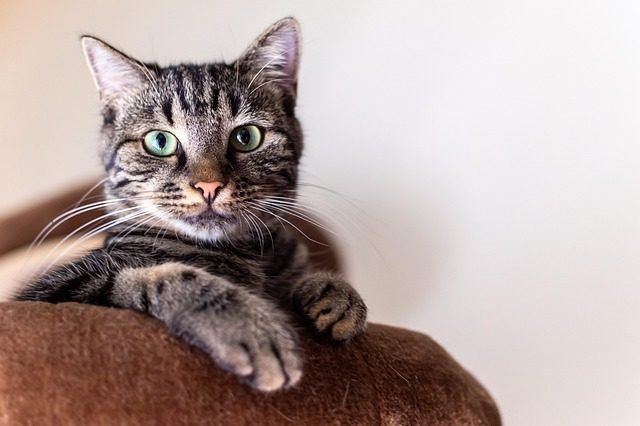
Bengal cats are a popular breed known for their striking appearance and lively temperament. If you’re wondering how long do Bengal cats live for, most Bengals typically live between 12 and 16 years. Some can reach up to 20 years with proper care. Their lifespan depends on factors like diet, genetics, and environment. Understanding these aspects helps Bengal cat owners in the UK provide a healthy, happy life for their furry friends. Source: PetMD
Bengal cats are renowned for their distinctive spotted or marbled coats and energetic personalities. Their life expectancy, an important consideration for prospective and current owners in the United Kingdom and worldwide, typically ranges between 12 and 16 years. Many Bengals reach the upper ranges of this lifespan, with some individuals living beyond 18 years when provided with optimal care. This information is supported by reputable feline sources and veterinary experts.
🔑 What You’ll Learn & Why It Matters
- Bengal cat lifespan and longevity factors: Learn how genetics, diet, and environment affect Bengal cats’ life expectancy and how to extend their healthy years.
- Optimal living environments: Understand how to create enriching indoor and safe outdoor spaces for Bengals, especially in UK urban settings.
- Social compatibility and care needs: Discover approaches for introducing Bengals to other pets and managing their social and physical well-being effectively.
🏠 Factors Influencing Bengal Cat Longevity
Several factors influence the longevity of Bengal cats. Genetics plays a crucial role; responsible breeding practices help minimise hereditary diseases such as hypertrophic cardiomyopathy (HCM) and progressive retinal atrophy (PRA). These diseases can impact lifespan adversely. Diet is another central element; Bengals thrive on a high-protein, nutritionally balanced diet that supports their active metabolism. Regular health care including annual veterinary check-ups, vaccinations, parasite control, and dental hygiene contributes critically to disease prevention and early detection of health issues.
Living conditions also affect their longevity substantially. Bengal cats kept primarily indoors tend to enjoy longer lifespans due to decreased risks from traffic accidents, infectious diseases, predators, and environmental hazards. While Bengals are active and curious, they adapt well to apartment living if provided with sufficient mental stimulation, vertical climbing spaces, and interactive play. Adequate environmental enrichment mitigates risks of behavioural problems and promotes psychological well-being.
Bengal cats can coexist harmoniously with other pets, including dogs and other cats, provided introductions are managed thoughtfully and personalities are compatible. Such social interactions enrich their lives and can improve overall health. Outdoor access is possible but is advised only under supervised or secure conditions, as free roaming increases mortality risks.
UK cat owners interested in Bengal cats can rely on authoritative sources such as PetMD, WebMD, the ASPCA, and dedicated Bengal cat breeders for guidance. These sources affirm that with attentive care to genetics, nutrition, health maintenance, and living environment, Bengal cats typically enjoy a healthy lifespan of 12 to 16 years, with some living well into their late teens or early twenties. This knowledge empowers owners to enhance their Bengal cats’ well-being and longevity through informed choices backed by veterinary standards and expert recommendations.
🏢 Living Environments: Can Bengal Cats Live in Apartments or Outdoors?
Bengal cats are renowned for their striking appearance and dynamic personality. Their adaptability to different living environments often raises questions among potential and current owners, particularly in the UK, where apartment living is common.
Bengals can live happily and healthily in apartments, provided their environment is enriched and stimulating. These cats are highly active and intelligent, craving both physical and mental engagement. Apartment owners should ensure access to vertical spaces like cat trees and shelves, along with interactive toys that encourage play and problem-solving. Regular play sessions are vital to keep Bengals entertained and to prevent boredom-driven behaviours such as scratching furniture or vocalising excessively. Securing windows and creating a cat-proof area is essential, as Bengals have a strong hunting instinct and are curious explorers. For UK residents, where outdoor space might be limited, investing in a secure outdoor enclosure (catio) offers a safe way for Bengals to experience fresh air and natural sights without the dangers associated with free roaming.
Regarding outdoor living, while Bengal cats can benefit from supervised outdoor access, allowing them to roam freely outdoors is generally discouraged in the UK. Risks such as traffic accidents, exposure to diseases, encounters with predators, and theft are significant concerns. When outside, Bengals should ideally be on a harness or confined in a secure garden space where their safety can be monitored. Supervised outdoor time provides excellent mental stimulation and exercise, supplementing their indoor activities. However, unsupervised outdoor roaming can reduce a Bengal’s lifespan and increase stress risks.
In summary, Bengal cats can thrive indoors in apartments with proper enrichment and mental stimulation, fitting well within UK lifestyles that often limit outdoor access. When outdoor time is provided, it should be safe and supervised, balancing Bengal cats’ natural curiosity with their wellbeing.
🐕 Social Compatibility: Bengal Cats with Dogs and Other Cats
Bengal cats are known for their energetic, social nature, making their compatibility with dogs and other cats a key consideration for British households with multiple pets. When introducing a Bengal cat to dogs, it’s essential to take a gradual, thoughtful approach. Start with scent swapping—exchange bedding or toys between the pets—to familiarise them with each other’s smell without direct contact. Supervised meetings in controlled environments, such as on leashes or behind baby gates, allow both animals to observe and get comfortable safely. Choosing a calm, well-socialised dog can make bonding easier, especially breeds known for gentle temperaments. Patience is crucial, as some Bengals may be more territorial or cautious initially.
Introducing Bengals to other cats also requires a slow, considerate process. Begin by keeping them separated but allowing them to see and smell each other through a barrier. Gradually increase their time together, always monitoring for signs of stress or aggression. It’s important to provide multiple resources like separate litter boxes, feeding stations, and resting areas to reduce competition and territorial disputes. Bengal cats are intelligent and active; they often enjoy interactive play which can also serve as a social bridge.
Socialisation techniques that benefit Bengals include regular, positive interactions with both dogs and cats from an early age if possible. Enrichment through play and safe exploration helps reduce stress and boredom, which can otherwise manifest as behavioural issues.
In UK homes, where indoor living is predominant, ensuring all pets have their own space and opportunities for social contact is essential. Consistency, respect for each animal’s temperament, and recognising each pet’s boundaries foster a harmonious multi-pet household with Bengal cats thriving alongside their canine and feline companions.
🤰 Reproduction & Biological Cycles of Bengal Cats
Bengal cats, like other domestic cats, have distinctive reproductive and biological cycles that owners should understand to provide proper care. Typically, the pregnancy (gestation) period for Bengal cats lasts around 63 days, though it can vary by about 2 to 4 days. During this time, the queen (female Bengal) requires a balanced diet rich in nutrients and a calm, comfortable environment to support the developing kittens.
Concerning heat cycles, unspayed Bengal females usually enter estrus every 2 to 3 weeks during breeding seasons, which commonly occur from spring through autumn. Each heat cycle lasts roughly 5 to 10 days. During this period, owners may notice behavioural changes such as increased vocalisation, restlessness, or affectionate conduct. To prevent unwanted litters and the stresses of frequent heat, many vets recommend spaying.
Owners should also be aware that Bengals have natural seasonal instincts. Managing these cycles responsibly involves regular veterinary consultations and following breeder or veterinary guidelines for mating and care during pregnancy. Keeping the queen indoors during heat and pregnancy aids in protecting her health. After birth, attentive care ensures the kittens’ survival and wellbeing.
Overall, understanding these biological timelines helps Bengal cat owners anticipate their pets’ needs, ensuring healthier and happier cats.
⏰ Alone Time, Sleep, and Daily Care for Bengal Cats
Bengal cats, known for their active and social nature, can comfortably be left alone for about 6 to 8 hours, which aligns with a typical UK workday. Some individuals may handle up to 10 hours of alone time, but extending beyond this regularly increases the risk of anxiety and behavioral issues. To ensure their well-being during absences, it is essential to provide environmental enrichment like interactive toys, climbing structures, and safe hiding spots. Consider also having automated feeders or puzzle feeders to engage them mentally.
Regarding sleep patterns, Bengals generally sleep between 12 and 16 hours daily. Like most cats, they are crepuscular—most active at dawn and dusk—exhibiting several short naps interspersed with play and rest throughout the day and night. Kittens and senior Bengals may sleep closer to 20 hours as part of their developmental or aging cycles. Observing their natural rhythms can help UK owners plan playtime and stimulation during their most active periods.
Daily care for Bengals should focus on meeting their high physical and mental stimulation needs. Owners should ensure regular interactive play sessions, a high-protein diet tailored to their energetic lifestyle, and routine veterinary visits. Social interaction is important; if alone time is often long, providing feline companions can be beneficial. Maintaining a safe indoor environment enriched with vertical spaces, scratching posts, and varied toys supports their health and happiness. Overall, consistent care and attention secure a fulfilling life for Bengals indoors.
🌍 Origins and Hybrid Status of Bengal Cats
Bengal cats are a striking domestic hybrid breed, developed during the 1960s to 1980s by crossing the Asian leopard cat (Prionailurus bengalensis) with various domestic breeds such as the Egyptian Mau and Abyssinian. This hybridisation aimed to combine the wild, exotic appearance of the Asian leopard cat, native to the forests and grasslands of Asia including South Asia’s Bengal region, with the temperament and adaptability of domestic cats. They are not wild cats but domestic companions exhibiting a unique coat pattern reminiscent of their wild ancestor. The Bengal’s natural habitat origins have influenced their energetic, curious nature and preference for environmental enrichment indoors.
✨ Summary: Thriving with Bengal Cats in the UK
Bengal cats typically live between 12 and 16 years, thriving with attentive care, mental enrichment, and a high-protein diet. In the UK, responsible ownership includes providing secure indoor environments or supervised outdoor access, alongside gentle introductions to other pets like dogs and cats. Bengals adapt well to apartments if stimulated properly. Understanding their social needs and health risks ensures a long, vibrant life. Embrace these practices to enjoy your Bengal’s unique charm confidently and sustainably.