🐾 Bengal Cats as House Cats: An Overview
Bengal cats are a distinct breed admired for their striking, wild-looking coat and lively personalities. Many cat lovers often wonder, “Are Bengal cats house cats?” The answer is yes—Bengals can thrive as indoor pets if given proper care and enrichment.
They are typically larger and more energetic than average domestic cats, so providing stimulating environments is essential. Experience and expert advice confirm Bengals make excellent indoor companions when their unique needs are met.
Source: Reddit Bengal Cats Community, Are Bengal Cats House Cats? Characteristics and Suitability
🔑 What You’ll Learn & Why It Matters
- Bengal cats’ suitability as house pets: These cats require specific care and enrichment to thrive indoors.
- Managing Bengal cats’ energetic and social nature: Proper stimulation and companionship prevent behavioral problems.
- Safe outdoor experiences for Bengals: Controlled outdoor access reduces risks to the cats and local wildlife.
🏠 Bengal Cats as Indoor Pets: Physical Traits and Care Needs
Bengal cats can indeed be excellent house cats when given proper care and enrichment. They are larger and more muscular than the average domestic cat, with males typically weighing 10–15 lb and females 8–12 lb, compared to the usual 7–10 lb of a typical house cat.
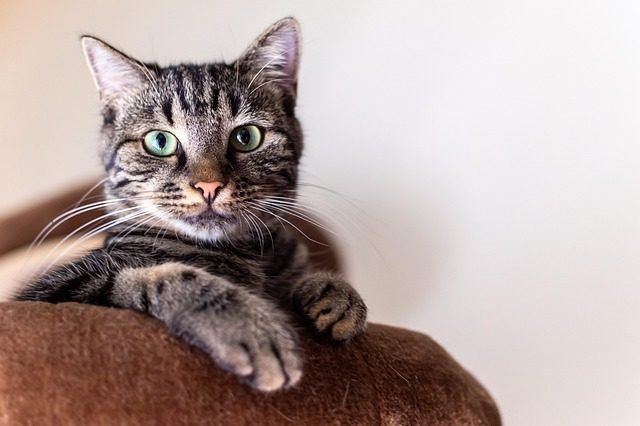
Physically, Bengals are striking, boasting sleek, athletic bodies, distinctive spotted or marbled coats with a “glitter” sheen, wedge-shaped heads, pronounced cheekbones, and large almond-shaped eyes, often green or gold.
Expert advice and veterinary-certified sources emphasise that Bengals thrive best as indoor cats. Their natural curiosity, high energy, and strong prey drive make unsupervised outdoor life risky—not only due to dangers like traffic and predators but also because of their potential impact on local wildlife.
Indoor environments enriched with climbing structures, interactive toys, and plenty of mental stimulation allow Bengals to lead happy, healthy lives without the hazards of going outside. While Bengal cats can enjoy supervised outdoor time, experts recommend using secure cat enclosures or leash walking to ensure safety.
Many Bengals respond well to leash training, providing physical exercise and mental engagement when taken for walks during quieter parts of the day. However, due to their social and active nature, Bengals do best with companionship or regular interaction, as they may develop boredom or anxiety if left alone for extended periods.
Owners should be mindful that Bengal cats’ adventurous instincts can lead them to roam or attempt escape if unsupervised outdoors. Keeping them indoors or in secure, stimulating environments helps prevent these risks and supports their wellbeing.
In summary, Bengals are suitable house cats when they receive adequate physical activity, mental enrichment, and social interaction within a safe indoor setting, possibly supplemented with carefully managed outdoor experiences.
🐱 Bengal Cats: Size, Traits, and Adaptation as Pets
Bengal cats are generally bigger than the average house cat, making them quite distinctive in size and build for domestic feline companions in the United Kingdom. Males typically weigh between 10 to 15 pounds (4.5 to 6.8 kg), while females tend to fall slightly lighter, ranging from 8 to 12 pounds (3.6 to 5.4 kg).
In comparison, a standard domestic cat usually weighs between 7 to 10 pounds (3.2 to 4.5 kg). Bengals also measure between 14 to 18 inches (35 to 45 cm) in body length, excluding tail, reflecting their athletic and muscular appearance.
This robust build makes Bengal cats noticeably more powerful than typical house cats, with defined muscle structure and a sleek, agile frame that supports their energetic and playful nature.
Despite their larger size, Bengal cats adapt well as indoor pets, provided their environment includes generous mental stimulation and physical activity opportunities. Their high intelligence and active disposition mean they thrive with interactive toys and climbing installations, making indoor settings both safe and enjoyable.
While Bengal cats can be outdoor cats, experts recommend predominantly keeping them indoors to protect them from hazards such as traffic, predators, and diseases, while also minimising their impact on local wildlife.
Leash training is another practical way Bengal owners can offer safe outdoor experiences, enabling controlled exploration and exercise. Regarding companionship, Bengals are social and do not cope well with long periods of solitude, so owners should consider arranging adequate interaction or pairing Bengals with another pet.
In summary, Bengal cats are indeed bigger than normal house cats, with a muscular build and vibrant personality. They make excellent indoor house cats when given proper care, stimulation, and supervised outdoor excursions, balancing their wild heritage and domestic lifestyle harmoniously.
Source: Reddit Bengal Cats Community, Source: Coops and Cages, Source: Quora
🌿 Safety and Environmental Considerations for Bengal Cats
Bengal cats, known for their striking appearance and energetic nature, are best suited as indoor pets with carefully managed outdoor access. Their high prey drive, inherited from wild Asian leopard cat ancestors, predisposes them to hunting behaviours that can pose significant risks both to local wildlife and to the cats themselves if allowed free outdoor roam.
From a safety perspective, the hazards outside are manifold. In the United Kingdom, risks such as traffic accidents, exposure to infectious diseases, encounters with predators like foxes, and the potential for theft or injury are considerable.
Bengals, being larger and more muscular than typical domestic cats—males often weighing between 10–15 pounds—are agile but also attract more attention, increasing certain safety concerns. Thus, keeping Bengal cats indoors mitigates these dangers, ensuring a longer, healthier life.
Furthermore, Bengal cats require substantial mental and physical stimulation given their active temperament. Indoor environments enriched with climbing trees, interactive toys, and regular playtime help satisfy these needs.
This enrichment is vital because inadequate stimulation can lead to behavioural problems, including destructiveness and anxiety. Ecologically, allowing Bengals unrestricted outdoor access can adversely impact native wildlife owing to their instinctual hunting.
This is a significant consideration in the UK, where domestic cats are known to reduce populations of birds, small mammals, and reptiles. For owners wishing to provide outdoor experience, secure enclosures (catios) present an excellent compromise, offering fresh air and stimulation without exposure to risks or ecological harm.
Supervised leash walks, using properly fitted harnesses, are another safe option. Best times for such walks are early mornings or evenings when temperatures are moderate, and environment disturbances are minimal.
In summary, the consensus among veterinarians and feline behaviour experts strongly favours indoor living for Bengal cats, supplemented by secure, supervised outdoor exposure to safeguard both the cats and local wildlife.
🦮 Leash Training Bengal Cats for Safe Outdoor Time
Bengal cats can be successfully leash trained and enjoyed on outdoor walks, which is especially beneficial for their energetic and curious nature. Given their high intelligence and love for exploration, leash training provides essential mental and physical stimulation, prevents boredom, and offers a safe way to experience the outdoors.
To start leash training, select a well-fitted, comfortable harness designed specifically for cats, as traditional collars may slip off or cause discomfort. Gradually acclimate your Bengal to the harness indoors, allowing short supervised sessions before attaching a lightweight leash.
Patience and positive reinforcement with treats or play are key, as Bengals can be cautious initially. Outdoor walks should be taken during quieter times, such as early mornings or evenings, avoiding busy streets and excessive heat to ensure safety and comfort.
Keep walks brief initially and always maintain close supervision to prevent escapes, as Bengals’ adventurous spirit can tempt them to roam. Using high-quality harnesses meeting recognised pet safety standards, such as those endorsed by the International Cat Care organisation, is recommended.
Leash training aligns with expert advice on Bengal care, promoting enrichment while mitigating risks associated with uncontrolled outdoor exposure. This method supports physical exercise and satisfies their instinctive curiosity, making Bengal cats more content indoor pets with controlled outdoor access.
🤝 Social Needs and Behavioral Care for Bengal Cats
Bengal cats are highly social and intelligent animals, requiring considerable attention and mental stimulation. Experts and experienced owners advise that Bengals should not be left alone for more than 6 to 8 hours, as prolonged solitude can lead to behavioural issues such as anxiety, destructiveness, and persistent vocalisation.
Given their active nature, boredom is a common consequence if they lack adequate enrichment. To manage their social needs when owners are absent, providing a stimulating environment is essential.
This can include interactive toys, climbing structures, puzzle feeders, and regular playtime. Many Bengal owners find that adopting a second Bengal cat or another compatible pet helps mitigate loneliness, offering companionship and interactive play that aligns with their energetic temperament.
For owners who work full days or have unpredictable schedules, arranging for pet sitters, or setting up engaging activities ahead of time, can be beneficial. Due to Bengals’ smart and curious disposition, ensuring they have ample enrichment and companionship supports their wellbeing and prevents behavioural issues associated with isolation.
Source: Reddit Bengal Cats Community
Source: 21Cats.org
Source: PetCreeks.com
🚨 Bengal Cat Wanderlust: Risks and Preventative Measures
Bengal cats possess a strong curiosity and fearless nature, which significantly increases their risk of running away or roaming far when allowed outdoors. Studies and expert advice highlight that Bengals often travel greater distances than typical house cats, sometimes venturing beyond their immediate territory.
This adventurous behaviour raises concerns about potential exposure to traffic, predators, or getting lost in unfamiliar areas. To mitigate these risks, owners in the United Kingdom should prioritise secure environments such as indoor living, sturdy outdoor enclosures, or supervised outdoor time via leash walks.
Practical measures include microchipping your Bengal cat, ensuring they wear a well-fitted collar with ID tags, and considering GPS trackers to monitor their location in real time. Vigilance is essential; regular checks and engaging enrichment at home reduce the temptation to escape.
In summary, while Bengal cats can thrive safely indoors, careful precautions and continuous supervision are vital to prevent loss due to their innate wanderlust and fearless disposition.
✨ Bengal Cats’ Unique Appearance
Bengal house cats present a striking physical appearance that captivates enthusiasts across the United Kingdom and beyond. Medium to large in stature, they possess robust, muscular bodies that typically weigh between 8 to 15 pounds, considerably larger and more athletic than the average domestic cat.
Their coats are one of their most distinguishing features, adorned with intricate patterns such as spots, rosettes, or marbling, all enhanced by a shimmering “glitter” effect that adds a lustrous sheen to their short, dense fur.
Their heads exhibit a characteristic wedge shape, complemented by pronounced cheekbones that give them a wild, exotic expression. Almond-shaped eyes, frequently in shades of green or gold, emphasize their alert, intelligent gaze. Thick, tapered tails complete their balanced and powerful physique.
This combination of size, coat pattern, and facial structure is well-documented by veterinary experts and breed authorities, making Bengal cats uniquely identifiable among domestic cats and ideal for owners who appreciate their distinctive, wild-like appearance.
Source: VetExplainSpets | Source: The Spruce Pets | Source: Catster
🏡 Proper Bengal Cat Ownership in the UK
Bengal cats make excellent indoor pets in the UK when provided with ample enrichment, supervision, and companionship. Larger and more muscular than typical house cats, Bengals possess a distinctive wild appearance and an adventurous spirit that demands special care.
They thrive best indoors, with controlled outdoor activities such as leash walks or secure enclosures to ensure safety. Responsible ownership, informed by expert advice and real-world experience, is vital to meeting their unique physical and behavioural needs.
Source: Reddit Bengal Cats Group
Sources
- Bengal Cat Club – Bengal cats run away
- Catster – Bengal Cat
- Coops and Cages – Bengal Cats: Do They Make Good Pets?
- Quora – What makes large Bengal cat breeds so fascinating?
- Reddit Bengal Cats Community – Bengal vs Domestic
- Reddit Bengal Cats Community – How Long Can a Bengal Be Left Alone?
- The Spruce Pets – Bengal Cats
- VetExplainSpets – What Does a Bengal Cat Look Like?
- PetCreeks.com – Can Bengal Cats Be Left Alone?
- 21Cats.org – How Long Can I Leave My Bengal Cat Alone?