🐱 Introduction to Care & Characteristics of Abyssinian Cats
Abyssinian cats are known for their sleek look and lively spirit. Understanding the Care & Characteristics (Physical & Practical Care) of Abyssinian cats helps you meet their unique needs. Their physical traits, like short, ticked fur and slender build, affect how you care for them. Practical care for Abyssinian cats includes grooming, feeding, and health checks. These cats need attention to their diet, exercise, and behavior to stay happy and healthy. This article will guide you through the essentials of grooming, diet, health, behavior, and activity needs—offering helpful tips for anyone interested in this special breed.
🐾 Physical Traits and Characteristics of Abyssinian Cats
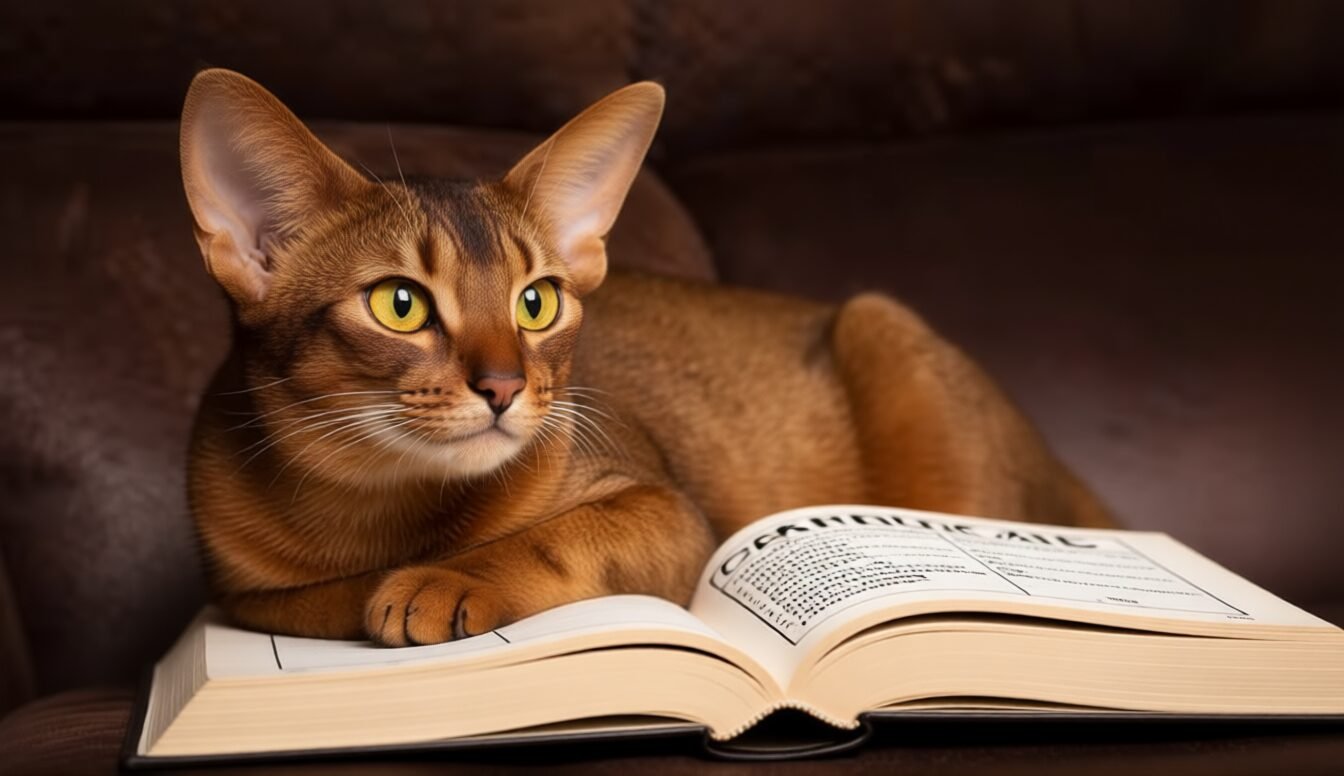
Abyssinian cats have a unique look that makes them easy to spot. They are medium-sized, with a slender and athletic build. This means their bodies are slim but strong, giving them a graceful and agile appearance. Their legs are noticeably long compared to other cats, which helps them jump and climb with ease. These longer legs are part of the Abyssinian cats’ physical traits that make them so active and playful.
One of the most striking features of Abyssinians is their coat. Their fur is short but dense, lying close to their bodies, which shows off their sleek form. The coat color is often described as a “ticked” or “agouti” pattern. This means each hair has bands of different colors along its length, creating a shimmering effect. The most common colors are ruddy (a warm reddish-brown), but you can also find Abyssinians in cinnamon, blue, and fawn. The shine of their coat adds to their elegant look and needs regular brushing to maintain.
🔑 What You’ll Learn & Why It Matters
- Understanding Physical Traits: Knowing the slim, athletic build and unique coat helps tailor their care needs.
- Grooming Importance: Regular brushing maintains their sleek coat and reduces shedding, important for healthy skin.
- Behavioral Insight: Their vocal, curious nature requires proper stimulation and attention for well-being.
Abyssinian cats shedding is moderate because of their short fur, but it still happens. Owners will notice some loose hair around the house during certain times of the year. Regular grooming can reduce the amount of hair around and keep their coat looking healthy. Since the fur is short, grooming is pretty simple, usually requiring just a weekly brush to remove dead hair and keep skin healthy. [Source: RSPCA]
Along with their physical traits, Abyssinian cats are known for their personality. They tend to be quite vocal, using a range of sounds to communicate with their owners. This vocal nature can be charming to people who enjoy a more interactive, talkative pet. Their alert and curious nature means they are always on the move and often interested in their surroundings.
When it comes to care, Abyssinians need space and stimulation because of their active build and long legs. They enjoy climbing on high spots and running around, so having cat trees and toys helps keep them happy. Their shedding and short coat mean grooming is not difficult but should not be ignored. Regular brushing supports healthy skin and reduces shedding around the home.
In short, the physical traits of Abyssinian cats — from their slender frame and longer legs to their shiny, ticked coat — shape much of their care and lifestyle needs. Knowing about these characteristics helps you prepare for a pet that is both beautiful and full of energy.
🧴 Grooming and Practical Care for Abyssinian Cats
Taking good care of your Abyssinian cat’s coat, nails, and overall hygiene makes a big difference in their health and happiness. These cats have a sleek, short coat that shines with natural oils, but they still need a simple grooming routine to stay comfortable and looking great. Here’s a down-to-earth guide to practical care for Abyssinian cats.
What’s the Best Way to Groom Abyssinian Cats?
Abyssinians don’t require intense grooming like long-haired cats, but a regular routine helps keep their coat clean and shiny. Brushing your cat once or twice a week with a soft brush removes loose hairs and spreads the natural oils across their coat, making it look healthy. It also gives you a chance to check their skin for any bumps or irritation.
If your Abyssinian loves being brushed, you can even do it more often. Just be gentle and make it a relaxing time for your cat. Remember, grooming isn’t just about looks; it builds trust between you and your furry friend. [Source: RSPCA]
How Do You Manage Abyssinian Cats Shedding?
All cats shed to some degree, and Abyssinian cats shedding is usually moderate and seasonal. They tend to shed more in the spring and fall when they change their coats for warmer or cooler weather. During those times, increase brushing to daily sessions if you can. Removing the loose hair early helps stop it from piling up around the house or causing hairballs.
Vacuuming your home regularly and using a pet hair remover on furniture also helps keep things tidy. If your cat has trouble with excessive shedding, check their diet and hydration, since good nutrition supports a healthy coat.
What About Cleaning and Nail Care?
Cleaning your Abyssinian cat mostly means keeping their coat dust-free and wiping their eyes or ears if needed. Use a damp cloth gently if you see any dirt. Avoid bathing unless absolutely necessary, as their coats usually stay clean with brushing.
For nails, trim them every couple of weeks to prevent snagging or scratching. Use a cat nail clipper and cut just the tips, avoiding the pink part called the quick, which has nerves and blood vessels. If you’re unsure, ask your vet to show you how during a visit.
Simple Tips for Day-to-Day Care
- Provide your Abyssinian with scratching posts. They help keep nails natural and healthy.
- Keep fresh water and balanced food to support coat health.
- Spend a few minutes every day giving gentle attention. It makes grooming easier and strengthens your bond.
- Watch your cat’s behavior for signs of discomfort in grooming areas.
With these easy steps, practical care for Abyssinian cats becomes a comfortable routine for both of you. Their sleek coats will stay shiny, shedding stays manageable, and nails stay healthy—all helping your cat live their best life.
🍽️ Nutrition and Diet Recommendations for Abyssinian Cats
What Do Abyssinian Cats Eat?
Abyssinian cats are known for being energetic and curious, so they need a diet that supports their active lifestyle. These cats mainly eat meat because they are obligate carnivores. This means their bodies rely on animal protein to get all the nutrients they need. Protein helps keep their muscles strong and supports their energy levels.
What Does an Abyssinian Cat Eat Daily?
To keep an Abyssinian healthy, you should offer balanced meals with high-quality protein sources like chicken, turkey, or fish. Along with protein, fats are essential since they provide extra energy. Some fats also help keep their skin and coat shiny. Avoid feeding them too many carbs like grains, as cats don’t use carbs well for energy.
Recommended Food Types for Abyssinian Cats
Selecting the right food can be tricky, but here are some top choices for the Abyssinian cats diet guide:
- Wet Food: Canned cat food is great because it contains more moisture. Cats don’t drink a lot of water, so wet food helps keep them hydrated.
- Dry Food: Kibble can be convenient and help keep their teeth clean, but make sure it has high protein and limited fillers.
- Raw Diet: Some owners choose a raw food diet, which consists of raw meat, organs, and bones. If you pick this route, ensure the food is balanced and safe.
- Homemade Meals: You can prepare meals at home, but these need to be carefully planned to include all necessary nutrients and vitamins.
Feeding Frequency
Abyssinians have fast metabolisms due to their playful nature. They do well with two to three small meals a day. Spreading out food helps keep their energy steady and avoids overeating. You can also leave out dry food for them to nibble through the day if it fits your schedule.
Choosing a Healthy Diet for Abyssinians
Look for cat foods that list a specific meat as the first ingredient. Avoid products with excess fillers like corn, wheat, or soy. Artificial colors, flavors, and preservatives are best avoided too. Quality brands focus on balanced nutrition with added vitamins and minerals.
Fresh water should always be available, especially if your cat eats mainly dry food. [Source: RSPCA]
Supporting Their Energetic Lifestyle
Abyssinians are playful and curious, so a well-balanced diet keeps their bodies ready for action. Protein fuels their muscles, fat provides energy, and moisture supports their kidneys and skin. If you keep their diet high in nutrients and tailored to their needs, you’ll help your Abyssinian stay happy and healthy for years.
🩺 Common Health Problems and Longevity of Abyssinian Cats
Do Abyssinian Cats Have Health Problems?
Yes, Abyssinian cats can face health problems, but knowing these issues helps you keep them healthy. Abyssinians are generally active and robust, but some genetic conditions and diseases are more common in this breed. Being aware of these can guide you in giving your cat the best care.
What Are the Common Health Issues in Abyssinian Cats?
Abyssinian cats are prone to a few specific health problems. One of the main concerns is kidney disease. Abyssinians can develop a condition called renal amyloidosis, where harmful protein builds up in the kidneys, affecting their function. Regular vet check-ups can catch this early. [Source: NHS UK]
Another frequent problem is progressive retinal atrophy (PRA), which is an inherited eye disorder. PRA can slowly cause vision loss. Testing your Abyssinian for this condition can help you prepare and manage it.
Also, Abyssinians may experience patellar luxation, where the kneecap slips out of place. This can cause discomfort and mobility issues but is often manageable with proper medical care.
How Long Do Abyssinian Cats Live?
You may wonder, “What is the average lifespan of an Abyssinian cat?” On average, Abyssinians live around 12 to 15 years. With excellent care, some can live longer, reaching 18 years or more. Their lifespan depends a lot on health maintenance and lifestyle. [Source: RSPCA]
Abyssinian Cat Health Advice for a Longer Life
- Regular Vet Visits: Frequent check-ups allow early detection of kidney issues, eye problems, and other conditions.
- Balanced Diet: Feeding high-quality cat food rich in nutrients supports their active lifestyle and organ health.
- Exercise and Enrichment: Abyssinians are curious and playful. Providing toys and playtime keeps their mind and body strong.
- Genetic Testing: When adopting or buying, ask for tests that screen for PRA and other breed-specific genetic conditions.
- Hydration: Make sure your cat drinks plenty of water to help prevent kidney problems.
- Watch for Symptoms: Keep an eye on any changes in behavior, appetite, or mobility and consult your vet if anything seems off.
The health of your Abyssinian cat is something we can work together on. By understanding their unique risks and taking steps to prevent or manage health issues, you give your feline friend the best shot at a full, happy life.
Final Thoughts on Abyssinian Cat Health
Abyssinian cats are not only beautiful but also have a lively spirit that makes them wonderful pets. Knowing common health issues and their lifespan helps you prepare and protect them. With regular care and attention, your Abyssinian can enjoy many vibrant years by your side.
🐾 Behavior, Temperament, and Activity Needs of Abyssinian Cats
What Is Abyssinian Cat Behaviour Like?
Abyssinian cats are known for being lively and curious. They love exploring their environment and try to get involved in whatever is happening around them. This kind of behaviour means they get bored easily, so keeping their days interesting is important. They often use their sharp minds and quick bodies to investigate things in playful ways, like climbing or chasing toys. [Source: RSPCA]
How Vocal Are Abyssinian Cats?
When it comes to Abyssinian cats vocalisations, these cats are moderately talkative. They don’t usually meow constantly, but they like to communicate with their owners using soft chirps, trills, and meows. This vocal nature helps you understand what they want or how they feel. They often “talk” during playtime or when they want attention. Their voices are usually gentle, not loud or disruptive.
How Affectionate Are Abyssinian Cats?
Abyssinians are known for being affectionate and social. They enjoy spending time with people and often form strong bonds with their owners. You’ll find them following you around the house or snuggling on your lap when they want company. They value interaction and don’t like to feel lonely or ignored.
Do Abyssinian Cats Like to Play and Water?
Yes, their love for play is one of their most charming traits. They need plenty of toys and activities that challenge them mentally and physically. Puzzles and interactive games work well to keep them happy. Interestingly, many Abyssinian cats enjoy water—a bit more than most cats do. You might catch one playing at a dripping faucet or splashing in shallow water.
What Are Abyssinian Cats’ Exercise Needs?
Because Abyssinians are quite active, their exercise needs are high. Just sitting around won’t satisfy them. They need regular, engaging exercise to stay healthy and happy. This includes climbing on cat trees, running after toys, and having supervised time outside if possible.
How Can You Keep Abyssinian Cats Outdoor Safety?
Speaking of outside, Abyssinian cats outdoor safety is crucial. While these cats love exploring, their active personality means they might take risks. To keep them safe, consider building a secure outdoor cat enclosure or use a harness and leash for supervised walks. These options let them enjoy fresh air and new sights without the dangers of traffic or predators.
Practical Tips to Engage Their Active Personality
- Provide climbing structures like cat trees to satisfy their love for heights.
- Rotate toys regularly to prevent boredom.
- Play interactive games that include chasing and pouncing.
- Set up puzzle feeders to challenge their intelligence.
- Allow supervised outdoor time using safe methods like harnesses or enclosed patios.
- Offer fresh water playtime, like a shallow water dish or dripping faucet.
By understanding Abyssinian cats’ behaviour, vocal nature, and exercise needs, you can create a stimulating environment that keeps them joyful and healthy. Their curious, affectionate personality shines brightest when we meet their activity and social demands in safe, fun ways.
🌱 Growth Stages and Development of Abyssinian Cats
What Are Abyssinian Cats Growth Stages?
Abyssinian cats go through several growth stages before they reach full size and maturity. These stages include kittenhood, adolescence, and adulthood. Each stage has unique changes in size, physical traits, and behavior.
When Do Abyssinian Cats Start and Finish Growing?
Abyssinian kittens grow fast during their first few months. They usually double or triple their birth weight in the first month. By 6 months old, they reach about 70-80% of their adult size. Growth slows down after this point but continues steadily.
Most Abyssinian cats are fully grown by the time they are 12 months old. Some may take up to 18 months to reach their final size. Answering the question, “What age is an Abyssinian cat fully grown?”—it’s usually around one year, sometimes a bit longer.
How Do Abyssinian Cross Cats Grow?
Abyssinian cross cats, or mixed breeds with Abyssinian genes, follow a similar growth pattern. Their full growth age depends on the traits they inherit from both parent breeds. Typically, they reach full size between 12 and 18 months. So the question, “What age is an Abyssinian cross cat fully grown?” also points to the same time frame.
What Happens During Physical Development?
Abyssinian cats develop lean muscles and elegant frames as they grow. Their bones strengthen, and their unique ticked coat (where each hair has multiple colors) fully comes in. Their eyes, ears, and facial features become sharper over time.
Kittens are playful, clumsy, and curious. As they grow into adolescence, they gain better coordination and strength. By adulthood, an Abyssinian cat looks strong, sleek, and energetic.
Why Does Understanding These Growth Stages Matter?
Knowing the growth stages helps you care for your Abyssinian at the right time. For instance:
- During rapid growth, they need high-quality food rich in proteins and nutrients.
- Kittens require more frequent feeding and gentle play to support healthy bone and muscle development.
- Adolescents can handle more active play but also need consistent veterinary check-ups.
- Adult cats benefit from balanced diets and regular exercise to maintain their sleek physique.
Understanding their growth helps you spot potential health issues early and provide care that suits their size and maturity.
Final Thoughts
Watching your Abyssinian cat grow is exciting! From a tiny, playful kitten to a graceful adult, their growth stages show a lot of change. Knowing when they are fully grown and what to expect physically makes it easier to keep your furry friend happy and healthy.
❤️ Conclusion: Caring for Your Abyssinian Cat
Caring for an Abyssinian cat means knowing their Care & Characteristics (Physical & Practical Care) inside and out. These cats thrive when you pay attention to their grooming needs, provide a balanced diet, and keep up with regular health checks. Understanding their playful and social behavior helps you create a loving, stimulating environment. Watching their growth and development ensures they stay healthy and happy. Putting all this knowledge into action helps your Abyssinian thrive as a joyful and vibrant companion. You’re giving your cat the best chance at a long, happy life with the care they truly deserve.