🌿 Introduction to Safe Air Fresheners for Cats
If you share your home with a cat, you want it to smell fresh without putting your furry friend at risk. Using a safe air freshener for cats is really important because many air fresheners contain chemicals that can harm your cat’s health. Cats have sensitive noses and can get sick from strong smells or toxins in common air fresheners. This article will help you understand why some air fresheners are dangerous and guide you to safer choices that keep your home smelling nice and your cat happy and healthy.
Many air fresheners release chemicals called volatile organic compounds (VOCs). VOCs are gases that come from solids or liquids and easily fill the air. You find these chemicals in lots of everyday things like cleaning products, paints, and even cigarette smoke. Unfortunately, VOCs can be harmful, especially to your cat’s sensitive nose and lungs. In the UK, these VOCs in air fresheners often include substances that might cause breathing problems, irritate your cat’s eyes and nose, and even lead to more serious health issues like liver or kidney damage. Worse, some VOCs can be toxic or even linked to cancer. [Source: Nature.com]
🔑 What You’ll Learn & Why It Matters
- Why VOCs matter: They can cause serious health issues in cats, including respiratory and organ damage.
- Signs of toxicity: Recognizing symptoms can help protect your cat’s health.
- Safe alternatives: Natural solutions and careful product choices keep your home fresh without the risks.
⚠️ Why Air Fresheners Can Be Dangerous to Cats
What Chemicals in Air Fresheners Harm Cats?
Many air fresheners release chemicals called volatile organic compounds (VOCs). These gases come from solids or liquids and easily fill the air, found in everyday products like cleaning agents, paints, and smoke. They can irritate your cat’s sensitive respiratory system, leading to problems including breathing difficulties, eye and nose irritation, and severe organ damage or cancer. The harsh reality is that manufacturers don’t always disclose all chemicals inside air fresheners—even those marketed as “natural” or “organic” can contain harmful VOCs. [Source: Nature.com]
How Do These Chemicals Affect Cats?
Cats have many more scent receptors than humans, making them particularly vulnerable to airborne chemicals. Exposure to VOCs can cause sneezing, coughing, wheezing, watery eyes, drooling, breathing troubles, weakness, dizziness, and loss of appetite. Chronic exposure may worsen health or result in organ damage. [Source: Nature.com]
Is There Such a Thing as a Safe Air Freshener for Cats?
Due to hidden chemicals, most traditional air fresheners aren’t truly safe around cats. Instead, opt for cat-friendly air fresheners without harmful chemicals or natural alternatives recommended for pet households.
What Are Safer Alternatives?
- Ventilate your home by safely opening windows to let fresh air in.
- Use air-purifying plants like Boston ferns or spider plants, which clean air naturally and are safe for cats.
- Try household items like baking soda or white vinegar in bowls to absorb odours.
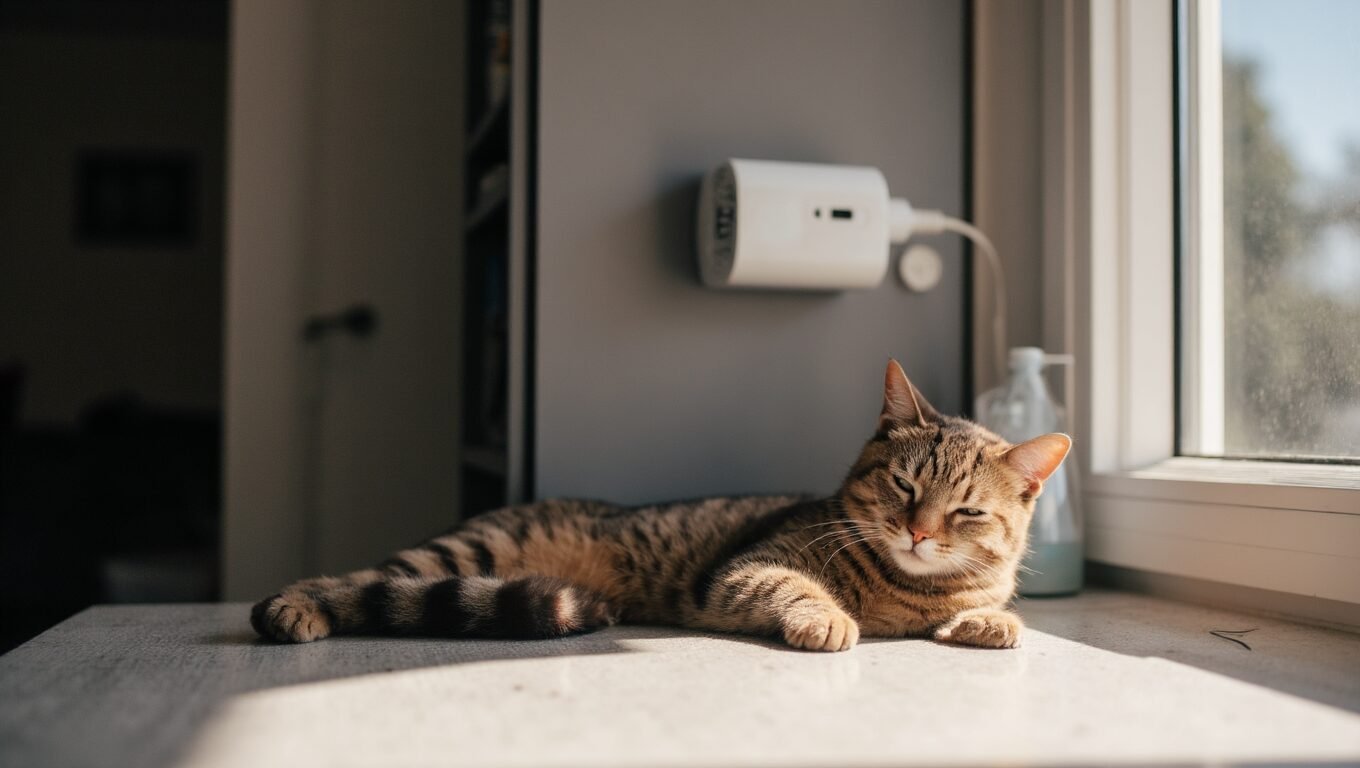
- Consider air purifiers designed to remove chemicals and allergens minus sprays.
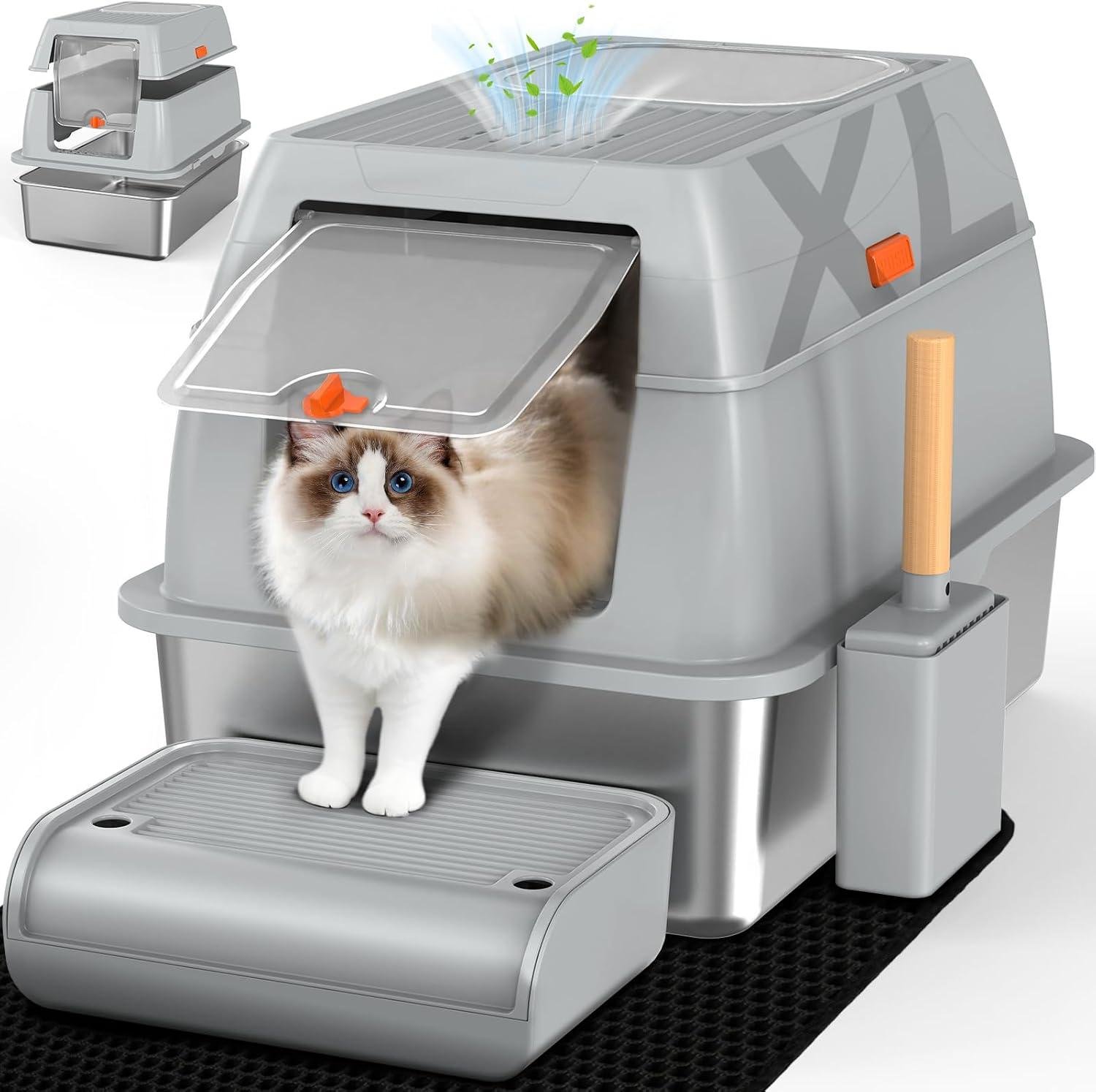
- Keep your cat’s litter box clean or use automatic self-cleaning ones to reduce odours.
Veterinarians in the UK often see cats distressed from air fresheners—with symptoms like sneezing or coughing. Removing these products and improving ventilation helps cats recover quickly. [Source: Nature.com]
👀 Recognising Signs of Air Freshener Toxicity in Cats
What Are Air Freshener Toxicity Symptoms in Cats?
Common symptoms from exposure to harmful air freshener chemicals include sneezing, coughing, wheezing, eye and nasal irritation, drooling, weakness, vomiting, diarrhoea, tiredness, and loss of appetite. Symptoms may develop quickly or gradually, worsening with continued exposure.
Why Are Air Fresheners a Risk for Cats?
Because many air fresheners release volatile organic compounds (VOCs) that harm your cat’s lungs, liver, and nervous system over time, and because ingredients aren’t always transparently listed, no truly safe air fresheners for cats currently exist. [Source: Nature.com]
What Should You Do if You See These Symptoms?
If your cat shows symptoms, move them away from the air freshener, ventilate the space, and observe for improvement. If not better, consult your vet immediately. Ingesting air fresheners requires urgent veterinary or poison control centre contact.
How Can You Keep Your Home Smelling Fresh While Keeping Your Cat Safe?
- Open windows regularly to let fresh air circulate.
- Use automatic litter boxes to reduce odours.
- Try natural deodorisers like baking soda or vinegar near smelly spots.
- Keep cat-safe plants like Boston ferns and spider plants indoors.
- Invest in an air purifier filtering chemicals and allergens.
Using these methods avoids harmful chemicals and keeps your home fresh without health risks for your cat.
🌱 Safe Alternatives to Chemical Air Fresheners for UK Cat Owners
How Can Ventilation Help Keep Your Home Fresh?
Ventilation by opening windows or doors helps remove bad smells naturally instead of masking them with chemicals. Ensure openings are secure to prevent your cat slipping outside. [Source: Yale Climate Connections]
What Air-Purifying Plants Are Safe for Cats?
Plants such as bamboo palms, spider plants, and Boston ferns filter toxins and freshen the air without harming cats. They also brighten your home naturally. [Source: Citizen.co.za]
How Does Baking Soda Work as a Natural Deodoriser?
Baking soda absorbs unpleasant smells rather than hiding them. Use it sprinkled in litter boxes or containers near odorous areas. Baking soda deodorises without chemicals. [Source: Citizen.co.za]
Why Are Air Purifiers a Good Choice?
Air purifiers trap dust, allergens, and VOCs, improving air quality especially for cats with allergies or breathing issues. They clean the air safely without spraying scents. [Source: Yale Climate Connections]
What Makes These Alternatives Safer for Cats?
These options avoid releasing harmful chemicals or strong scents that irritate a cat’s sensitive nose and lungs. Cats breathe faster than humans and are more vulnerable to toxins. Natural or mechanical air freshening keeps cats healthy and comfortable.
🌸 The Role of Essential Oils and Their Risks for Cats
Why Are Essential Oils Risky for Cats?
Essential oils are concentrated plant extracts used in diffusers or sprays to freshen air. Cats have sensitive noses and livers that cannot process some oils effectively, making even small exposures harmful. [Source: Citizen.co.za]
Which Essential Oils Are Harmful?
Common harmful oils include Tea Tree Oil, Lavender, Peppermint, Eucalyptus, Citrus Oils (lemon, orange), Ylang Ylang, Lemongrass, Cinnamon, and Pine. Exposure to these can cause breathing issues, vomiting, drooling, weakness, or tremors.
Why You Should Be Careful Using Essential Oils Around Cats
Despite being natural, essential oils are potent. Cats encounter diffusers or sprays and may inhale toxins unknowingly. Cats lack enzymes to break down many essential oil chemicals, which can quickly cause harm.
What Is a Safe Air Freshener for Cats?
The safest choices avoid essential oils and chemicals entirely. Use ventilation, baking soda, activated charcoal, cat-safe plants, and clean litter boxes to reduce odours safely without masking smells.
The Bottom Line
Essential oils seem natural but can be unsafe for UK cats. Avoid them and use non-toxic, natural methods to keep your home fresh and protect your cat’s health and wellbeing.
🛡️ How to Choose a Truly Safe Air Freshener for Cats in the UK
Why Should You Be Careful with Air Fresheners Around Cats?
Volatile organic compounds (VOCs) evaporate into the air, causing headaches and breathing problems for people and cats. Cats have sensitive respiratory systems, so exposure to such chemicals is risky. Even “organic” or “green” labeled products can hide harmful ingredients. [Source: Nature.com]
What Should You Look for When Choosing an Air Freshener?
1. Check the Ingredients Carefully
Avoid products with vague labels like “organic perfume” or “natural scent” as these can conceal harmful chemicals.
2. Avoid Chemical-Based Air Fresheners
Stay away from sprays, plug-ins, or diffusers with synthetic fragrances containing VOCs that irritate your cat’s eyes, skin, and lungs.
3. Prefer Non-Chemical Options
Use baking soda, vinegar, or activated charcoal which absorb odours rather than mask them.
Safer Options to Freshen Your Home for You and Your Cat
- Ventilate your home safely by opening windows.
- Use automatic or regularly cleaned litter boxes.
- Place cat-friendly plants like Boston ferns and spider plants indoors.
- Employ air purifiers to filter out smells and pollutants.
What to Avoid
- Air fresheners with unclear ingredients or labeled “organic perfume”.
- Essential oils toxic to cats.
- Plug-in air fresheners and chemical sprays.
How to Know If an Air Freshener Is Affecting Your Cat
Watch for sneezing, coughing, watery eyes, drooling, or appetite changes. If noticed, stop using the product and ventilate your home immediately.
✅ Conclusion: Keeping Your Cat Safe from Harmful Air Fresheners
Avoid harmful air fresheners to protect your cat’s health. Many air fresheners emit chemicals causing breathing and other serious health problems in cats. Opt for safe alternatives like good ventilation, natural deodorisers, and air-purifying plants that freshen the home without risk. Responsible pet care means creating a safe environment for your cat to breathe easily and live comfortably every day.