🐱 Introduction to Solensia for Cats in the UK
If your cat is dealing with arthritis pain, you might have heard about solensia for cats uk as a new treatment option. Solensia is an injectable medication designed specifically to help cats with the discomfort caused by arthritis, a condition that affects their joints and movement. It works by targeting a protein that plays a key role in causing pain and inflammation in arthritic joints.
This article will guide you through what Solensia is, how it helps your cat feel better, and what to expect if you are considering this treatment. Understanding Solensia can help you make informed choices together with your vet, aiming for a happier, more mobile cat.
🔑 What You’ll Learn & Why It Matters
- What Solensia is: Understand the medication specifically designed for cats with arthritis pain.
- How it works: Learn how this treatment targets the cause of pain and inflammation safely.
- How to access and use it safely in the UK: Know legal and practical steps to ensure your cat’s safe treatment.
💉 What is Solensia and How Does It Work?
What is Solensia?
Solensia is a special kind of medication designed to help cats who suffer from arthritis pain. It is an injectable medicine, which means it is given by a vet as a shot under your cat’s skin. This shot is approved by the FDA (the US Food and Drug Administration) for use in cats, so it has been tested for safety and effectiveness. [Source: UK Veterinary Medicines]
Solensia belongs to a group of medicines called monoclonal antibodies. Simply put, a monoclonal antibody is a man-made protein that is built to target just one specific thing in the body—to help treat a problem.[Source: Nature Medicine UK]
How Does Solensia Work?
In cats with arthritis, there is a protein in their bodies called nerve growth factor or NGF. NGF’s job is to send signals related to pain and inflammation when there is injury or a problem in the joints, like arthritis. When NGF levels are high, the cat feels more pain and swelling.
Solensia works by sticking to NGF and stopping it from joining with other parts of the body that would normally send pain and inflammation signals to the brain. In a way, Solensia “blocks” NGF, so your cat doesn’t feel as much pain or swelling caused by arthritis. [Source: Queen Mary University London]
An Example to Help You Understand
Imagine your cat’s arthritis pain like a noisy alarm bell ringing inside their body. The alarm bell is NGF, calling out loudly that something hurts. Solensia is like a special earplug that fits perfectly to silence the alarm bell so your cat can feel more comfortable and move easier.
Because Solensia is given as an injection at the vet, you don’t have to worry about giving pills at home, which can be tricky with cats.
Why is Solensia Good for Cats in the UK?
Arthritis is quite common in older cats—even if they don’t always show obvious signs of pain. Unlike some painkillers used in humans or other animals, there weren’t many safe, long-term options for cats until Solensia came along. Many usual cat pain medications can be unsafe or hard to give regularly.
Solensia is tailored just for cats and offers a new way to help reduce arthritis pain and inflammation safely. UK cat owners can work with their vets to see if this injectable option fits their cat’s needs, especially to improve their mobility and comfort. [Source: UK Government Pet Health]
If you’re thinking about Solensia for your cat or want to learn more, chat with your vet. They can explain if it’s a good option based on your cat’s health and arthritis severity. The medicine is given once a month, and vets will watch your cat’s progress, making sure the treatment is helping without causing problems.
Your cat deserves the best care, and Solensia offers a promising way to ease arthritis pain and help them enjoy life more comfortably.
📦 Solensia Availability and Usage in the UK
What Is Solensia and How Does It Help Cats?
Solensia is a special injectable medicine designed to help cats manage pain from arthritis, which is a common and painful joint condition. Unlike many oral painkillers, Solensia uses something called a monoclonal antibody—a type of protein made in a lab that specifically targets a substance in your cat’s body linked to pain (called nerve growth factor or NGF). By blocking NGF, Solensia helps reduce the pain and inflammation in arthritic joints, making it easier for your cat to move and feel comfortable.[Source: BMJ Veterinary Record UK]
Is Solensia Available for Cats in the UK?
Yes, Solensia is available for use in the UK. However, it is a relatively new medication, so not every veterinary clinic may have it in stock yet. Your vet can tell you if they have Solensia or if they can order it for your cat. [Source: UK Government on Veterinary Medicines]
How Can UK Cat Owners Obtain Solensia?
Solensia is prescription-only, meaning you cannot buy it over the counter or online like some pet products. Only a licensed veterinarian can prescribe and administer this medication.
Practical Steps to Access Solensia in the UK:
- Visit Your Vet: If your cat is showing signs of arthritis pain (like difficulty jumping, limping, or changes in behaviour), talk with your vet about Solensia as a treatment option.
- Veterinary Assessment: Your vet will examine your cat, possibly check blood tests or other health indicators, to make sure Solensia is safe and suitable.
- Prescription and Injection: Because Solensia is given as an injection under the skin (subcutaneous injection), it can only be administered by a vet or a trained veterinary team member in the clinic. This ensures correct dosing, safety, and monitoring for side effects.
- Follow-up Visits: The injection is usually given once a month. To continue treatment, you will need to take your cat back to the vet each month for the next injection and check-ups.
Are There Legal Requirements for Solensia Use in the UK?
- Solensia must be administered by a vet or under a vet’s supervision because it’s an injectable medication.
- It is not licensed for owner administration at home in most cases due to the need for precise dosing and side effect monitoring.
- The medication requires a veterinary prescription after assessment.
What Should UK Cat Owners Keep in Mind?
- Consult Your Vet First: Never start Solensia without professional advice.
- Screening Is Important: Your vet may ask for tests to check kidney function or other health conditions before starting Solensia to ensure safety.
- Monitor Your Cat: Let your vet know about any side effects or changes in your cat after the injection.
- Regular Vet Visits: Since the injection is given monthly, plan regular visits for ongoing care.
- Not for All Cats: Cats with certain medical conditions, for example advanced kidney disease, may not be suitable candidates.
Summary of Practical Steps
- Speak to your UK vet about Solensia if your cat has arthritis.
- Your vet will evaluate your cat and decide if Solensia can help.
- The vet will give the first injection during a clinic visit.
- You will return monthly for follow-up injections and health checks.
- Always report any side effects or concerns to your vet immediately.
This approach ensures your cat gets the safest and most effective arthritis pain relief with Solensia while following all UK legal and veterinary guidelines. [Source: UK Veterinary Medicines Directorate]
💊 Dosage and Administration of Solensia for Cats in the UK
What is Solensia and How Is It Given?
Solensia is an injectable medication designed to relieve arthritis pain in cats. It’s a monoclonal antibody—this means it targets a specific protein involved in causing pain and inflammation, called nerve growth factor (NGF). It’s made specifically for cats and is given as an injection under the skin (subcutaneously).
In the UK, as elsewhere, only a vet or trained veterinary staff can give this injection. This ensures proper dose, correct administration, and monitoring for any side effects. [Source: UK Government]
How Often Do Cats Get Solensia Injections?
Typically, cats receive Solensia once a month. The initial injection is followed by monthly doses to maintain pain relief and reduce inflammation. This monthly schedule helps keep the medication working consistently. [Source: UK Veterinary Medicines Directive]
How is the Dose Determined?
The dose depends on your cat’s weight:
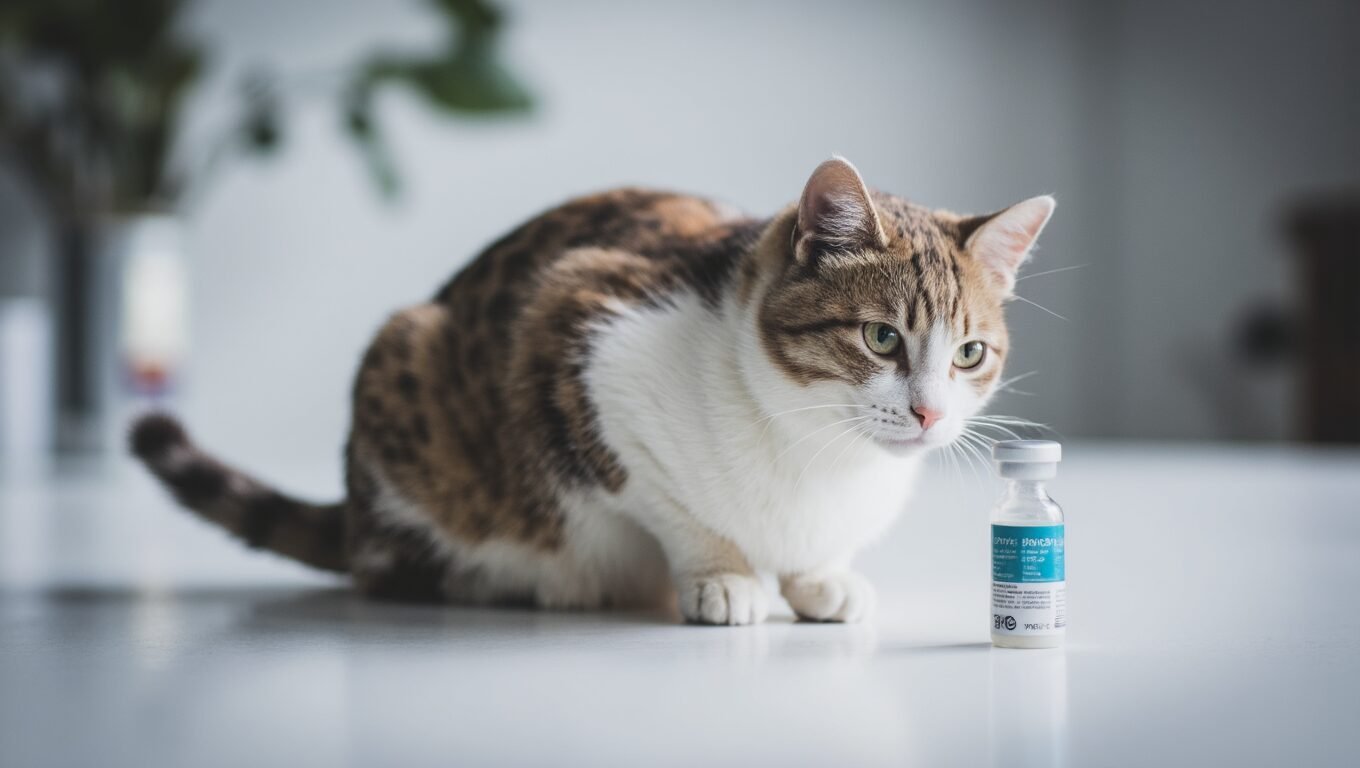
- Cats weighing between 2.5 kg and 7 kg (about 5.5 to 15.4 lbs) receive one vial (1 ml containing 7 mg of the active drug).
- Cats weighing over 7 kg (above 15.5 lbs) receive two vials.
The vet will measure your cat’s weight accurately to decide the exact dosage.
Why Must a Vet Supervise the Injection?
- Ensure correct dosing based on weight.
- Give the injection properly to avoid discomfort or skin reactions.
- Watch for side effects, such as digestive upset, itching, or lameness.
- Keep your cat safe during administration.
- Provide follow-up care if your cat reacts poorly.
Tips to Help Your Cat Prepare for Solensia Injections
- Keep your cat calm: Use familiar blankets or toys when traveling to the vet. A calm cat is easier to handle and less stressed.
- Schedule appointments when your cat is relaxed: Avoid busy clinic times if possible to reduce your cat’s anxiety.
- Communicate with your vet: Let them know if your cat gets especially nervous or has had reactions to injections before.
- Observe your cat after the injection: Watch for any signs of side effects like vomiting, scratching, or limping, and report these to your vet promptly.
- Follow your vet’s advice: After the injection, your vet may give tips on monitoring or managing any mild side effects.
Having a plan with your vet about how to handle injections and possible reactions keeps your cat comfortable and safe. [Source: Royal Veterinary College UK]
Giving Solensia injections under veterinary supervision, following weight-based dosing and the monthly schedule, offers an effective way to manage arthritis pain in cats. With your vet’s help, you can ensure the treatment is as smooth and stress-free as possible for your feline friend.
🌟 Benefits of Using Solensia for Cats with Arthritis
If your cat is struggling with arthritis, you know how tough it can be to see them in pain or moving less. Solensia is a newer treatment option in the UK that offers some important benefits for managing arthritis pain and inflammation in cats. Here’s a clear look at what Solensia does, backed by research and UK veterinary experience, and why it might be encouraging for you and your furry friend.
What Is Solensia and How Does It Help?
Solensia is an injectable medication designed specifically for cats with osteoarthritis, which is a common joint problem causing pain and stiffness. It works by targeting something called nerve growth factor (NGF) — a protein that’s involved in sending pain signals and causing inflammation in the joints.
By blocking NGF, Solensia helps to reduce both pain and inflammation, which can make it easier for cats to move, jump, and play without discomfort. A key benefit is that Solensia is given once a month by injection at your vet’s office, which means you don’t have to worry about giving pills at home — something many cat owners find tricky.[Source: BMJ Veterinary Record UK]
Real Benefits Seen in Research and UK Vets’ Practices
Research involving nearly 200 cats treated with Solensia showed that a single injection improved activity and comfort for up to six weeks. About three-quarters of cats given a series of three doses were considered to be clear treatment successes by their owners. This means many cats moved better and seemed happier.
UK vets have also observed that Solensia can:
- Improve mobility in cats who previously struggled with walking or jumping.
- Provide relief without the side effects often seen with other arthritis medications like steroids or NSAIDs (non-steroidal anti-inflammatory drugs), which aren’t always safe for long-term use in cats.
- Help especially older cats or those with other health issues by avoiding the difficulties of oral medications.
Unique Advantages of Solensia in Pain Management
Managing arthritis pain in cats is complicated. Many usual painkillers for people or dogs aren’t safe for cats long-term. Solensia stands out because:
- It targets the root causes of pain and inflammation rather than just masking pain.
- It avoids oral dosing, so there’s less stress for both cats and owners.
- It is feline-specific — meaning the medicine is designed just for cats, so it works well in their bodies and reduces risks.
- Some cats show improved quality of life quickly, often within 2 to 3 weeks after starting treatment.
Improving Quality of Life: What This Means for Your Cat
Imagine your cat feeling freer to explore, jump on their favourite spots, or even play a bit like a younger kitty again. With less pain from arthritis, daily life becomes much brighter for both of you.
A UK cat owner shared that their 14-year-old cat experienced better mobility and fewer stiff days after a few Solensia injections. While some cats may have side effects, many tolerate the drug well and enjoy the benefits.
What Should You Know About Side Effects and Monitoring?
Some cats may have mild side effects like vomiting, itching, or reactions at the injection site. UK vets usually recommend:
- Regular check-ups, especially if your cat has other health conditions like kidney disease.
- Letting your vet know if you notice any changes in behaviour or appetite.
- Close monitoring during the first few months of treatment.
Is Solensia Right for Your Cat?
Discussing your cat’s medical history and arthritis symptoms with your vet is the best way to decide if Solensia is a good fit. It offers a promising option for long-term relief from arthritis pain that many cat owners in the UK are finding helpful.
If you’d like, we can talk about what to expect during treatment and how to watch for improvements or side effects. Managing arthritis is a journey, and with new tools like Solensia, there’s hope for a more comfortable, happy life for your cat.
⚠️ Potential Side Effects and Risks of Solensia in UK Cats
What is Solensia?
Solensia is a monthly injectable medication for cats suffering from osteoarthritis, a condition causing joint pain and stiffness. It contains a special type of antibody called a monoclonal antibody, designed specifically for cats, which targets something called nerve growth factor (NGF). When NGF is blocked, it reduces pain and inflammation in affected joints.
What Are the Common Side Effects?
Many cats tolerate Solensia well, but some may show side effects, mostly soon after an injection. The common side effects include:
- Gastrointestinal issues: Cats may vomit, have diarrhoea, or eat less than usual. These signs often appear within the first week after injection and usually get better on their own.
- Itching and skin problems: Some cats scratch a lot or develop scabs, especially on the head and neck. This may be worse if your cat wears a collar. Your vet may advise temporarily removing collars to prevent irritation.
- Injection site pain: Cats might show discomfort or flinch when the medication is given under the skin. Occasionally, redness, swelling, or lumps can form at the injection site.
- Changes in behaviour: Some cats may act differently than usual, such as increased hiding, irritability, or lethargy. These signs are usually mild and temporary.
What Are the Rarer but More Serious Effects?
- Limb weakness or lameness: A small number of cats have shown trouble walking or limping after injections. This may be related to nerve or muscle effects.
- Worsening kidney function: Solensia has generally been safe for cats with early-stage kidney issues, but some cats showed mild changes in kidney tests. It’s important to monitor kidney health if your cat has kidney disease.
- Severe skin reactions: Larger lumps or sores have occasionally developed at injection sites, sometimes requiring medical attention.
- Neurological signs: These are extremely rare but may include limb paralysis or severe weakness, based on reports mainly in dogs using a similar drug. No strong evidence shows this happening often in cats, but vets remain cautious.
How Can I Monitor My Cat for Side Effects?
Keep a close eye on your cat, especially in the days and weeks after an injection. Watch for:
- Vomiting, diarrhoea, or loss of appetite
- Excessive scratching, redness, or lumps on the skin or around injection sites
- Changes in behaviour (such as hiding, lethargy, or aggression)
- Trouble walking, limping, or weakness in legs
- Signs of increased drinking or urination, or changes in weight
What Should I Do If I Suspect Side Effects?
If you notice any of the above signs or anything unusual, contact your vet right away. Early advice can help manage side effects better. Don’t stop the medication without veterinary guidance.
For urgent concerns or poison advice in the UK, you can also contact:
- Veterinary Poisons Information Service (VPIS): 01296 315 000
Keep records of side effects, including when they started, how they look or behave, and any changes in your cat’s health. This helps your vet decide on next steps. [Source: Veterinary Poisons Information Service – UK]
Who Should Avoid Solensia?
- Cats under 7 months of age or weighing less than 2.5 kg
- Pregnant or nursing cats
- Cats with advanced kidney disease (Stages 3 or 4), unless closely monitored by a vet
Final Advice
Solensia offers an important new way to reduce arthritis pain in cats that can be hard to treat otherwise. Most cats tolerate it well, but like all medicines, it carries some risks. Open communication with your vet helps balance pain relief against possible side effects.
If your cat is older or has other health problems, regular check-ups and lab tests during treatment are key.
Always call your vet if you are worried about how your cat is responding to Solensia. Together, you can decide the best way to keep your cat comfortable and happy.
⚖️ Solensia Compared to Other Arthritis Treatments for Cats in the UK
When it comes to managing arthritis in cats here in the UK, you have a few treatment options, including Solensia, NSAIDs, and steroids. Each has its own benefits and drawbacks, so understanding those can help you and your vet choose what’s best for your cat.
What is Solensia and How Does It Work?
Solensia is a newer treatment specifically designed for cats with arthritis pain. It’s an injectable medication given once a month by a vet. The key thing about Solensia is that it’s a monoclonal antibody, which means it’s a lab-made protein designed to block a substance called nerve growth factor (NGF). NGF is involved in both pain and inflammation in arthritic joints, so by blocking it, Solensia helps reduce your cat’s pain and joint inflammation.
What Are NSAIDs and Steroids?
NSAIDs (non-steroidal anti-inflammatory drugs) are commonly used to reduce pain and inflammation in many conditions. In cats, these are sometimes used short-term for arthritis, but there are no NSAID medications approved for safe long-term use in cats in the UK. This makes them a tricky choice for ongoing arthritis management.
Steroids like prednisolone can reduce inflammation and pain but come with their own risks, especially if used long-term. Side effects can include increased thirst, hunger, weight gain, and potential impacts on organs like the liver and kidneys.
Benefits and Drawbacks
| Treatment | Benefits | Drawbacks |
|---|---|---|
| Solensia | – Monthly injection, no pill stress – Targets pain and inflammation specifically – Helps with pain relief and mobility |
– Possible side effects (itching, vomiting, injection site reactions) – Newer drug, long-term effects not fully known – Requires vet visit for injections |
| NSAIDs | – Effective pain and inflammation relief (short term) | – No approved long-term NSAIDs for cats in UK – Risk of kidney, liver damage |
| Steroids | – Reduces inflammation and pain – Some cats tolerate them well |
– Risk of side effects with long-term use – Not ideal for long-term management |
Why Might Solensia Be Preferred for Long-Term Management?
Because Solensia is designed specifically for cats and targets a key pain pathway without relying on traditional NSAID pathways, it tends to be better tolerated for long-term use. It avoids many of the risks associated with long-term NSAID or steroid use, especially kidney issues. Plus, the monthly injection means you avoid the hassle and stress of giving pills daily, which many UK cat owners find difficult.
Practical Guidance for UK Cat Owners
- Consult your vet before choosing a treatment. Arthritis severity, your cat’s overall health (especially kidney function), and lifestyle will all influence the best choice.
- Consider Solensia if your cat has chronic arthritis pain and has difficulty with oral medications or can’t tolerate NSAIDs or steroids.
- Monitor for side effects. With Solensia, things like vomiting, reduced appetite, or skin irritation can happen but are uncommon. Report any concerns to your vet.
- Regular check-ups are important. Kidney function and overall health should be monitored regardless of treatment choice.
- Weight management and gentle exercise also help manage arthritis and improve quality of life.
- Because Solensia is still relatively new, it may not be available in all UK veterinary practices. Ask your vet if they offer it or can recommend a nearby clinic.
Final Thoughts
Solensia offers a promising option tailored for cats’ arthritis, especially for long-term use. While NSAIDs and steroids have their place, they come with more risks for cats when used over a long time. Choosing the right arthritis treatment is a team effort between you and your vet, balancing benefits, risks, and your cat’s needs to keep them comfortable and happy.
❓ Frequently Asked Questions About Solensia in the UK
How long does it take for Solensia to start working in cats?
You can expect to see Solensia’s pain relief effects within about 2 to 3 weeks after the first injection. This initial dose helps reduce arthritis pain, and with ongoing monthly injections, the pain relief continues consistently.
Is Solensia safe for cats with kidney disease?
Solensia has been studied mostly in cats with early-stage kidney disease (called IRIS stage 1 or 2). It appears generally safe for these cats, but close monitoring is important. If your cat has more advanced kidney problems (stages 3 or 4), vets usually avoid using Solensia since its safety in those stages isn’t well known. Always discuss your cat’s kidney health with your vet before starting treatment.
Can Solensia injections be given at home by owners?
Currently, Solensia must be administered under the care or direct supervision of a licensed veterinarian, usually at the vet clinic. This is to make sure the injection is done safely and to monitor your cat for possible side effects. Some vets might consider training owners for home injections on a case-by-case basis but this depends on the vet’s comfort level and your cat’s situation.
What are the common side effects of Solensia?
Some cats may experience mild side effects like vomiting, diarrhea, loss of appetite, itching, or skin reactions around the injection site. These are generally uncommon and tend to pass within a few days. If your cat has more serious reactions such as limping, weakness, or changes in behaviour, contact your vet promptly.
Is Solensia suitable for cats with other health conditions like diabetes or heart disease?
Solensia doesn’t appear to cause or worsen diabetes or heart conditions. Many cats with stable heart murmurs or controlled diabetes have been treated with it safely. However, you should always tell your vet about all health problems so they can decide the best plan for your cat.
How is Solensia given and what is the dosage?
Solensia is given once a month by injection under the skin. The dose depends on your cat’s weight: cats weighing between 2.5 and 7 kg (about 5.5 to 15.4 lbs) receive one vial, and heavier cats get two vials. Your vet will calculate the proper amount.
Can Solensia be used along with other arthritis or pain medications?
Solensia works differently from traditional painkillers or anti-inflammatories. It can sometimes be combined with medications like gabapentin, but combining it with steroids or NSAIDs (like meloxicam) should be discussed carefully with your vet to avoid any risks.
What should I watch for after my cat’s Solensia injection?
Keep an eye out for any changes in your cat’s appetite, energy, or behaviour, especially within the first few days after the injection. Also, check the injection site for swelling or irritation. If your cat shows signs of severe discomfort, limping, or neurological changes (like weakness or trouble walking), contact your vet immediately.
Can Solensia cause an increase in activity that might lead to injuries?
Yes, when joint pain is relieved, some cats suddenly become more active, which can lead to muscle strains or minor injuries if their bodies aren’t prepared for the extra movement. It’s good to supervise your cat’s activity and consult your vet about managing this safely.
What should I do if my cat experiences side effects or adverse reactions?
Contact your vet straight away if you notice any unusual symptoms. It’s also helpful to report side effects to the medication’s manufacturer or veterinary authorities to help gather safety data on this newer drug.
We hope this helps clarify what you can expect from Solensia for your cat’s arthritis pain. Always work closely with your vet to find the best, safest treatment plan for your furry friend. If you have other questions or concerns, your vet is the best source to guide you through your cat’s health journey.
📝 Practical Tips for UK Cat Owners Using Solensia
If you’re a cat owner in the UK thinking about Solensia for your cat’s arthritis, or already using it, here’s some down-to-earth advice to help you keep things safe and straightforward.
How Should You Prepare for Vet Visits for Solensia?
- Book ahead and plan the trip: Since Solensia is an injection given by a vet or trained staff, you’ll need to take your cat to the clinic once a month. Try to schedule appointments on quieter days or at less busy times, so your cat faces less stress.
- Make travel easier: Cats often hate car journeys. Use a comfy, familiar carrier with a cosy blanket inside. A bit of a calming pheromone spray (like Feliway, available in the UK) can help soothe your cat during the trip.
- Gather info beforehand: Have a list ready of your cat’s symptoms, past health issues (like kidney disease), and any other medications they’re on. This helps the vet give the best advice.
What Should You Watch For in Your Cat’s Behavior?
- Look for positive signs: Solensia usually starts to take effect after 2-3 weeks. You might see your cat moving more, playing, or grooming better.
- Spot possible side effects: Common side effects include occasional vomiting, diarrhea, itching or scabs (sometimes near the head or neck), and mild lethargy. Some cats may scratch more or develop lumps near injection sites. If your cat wears a collar, consider removing it during treatment to reduce skin irritation risk.
- Notice anything unusual? If your cat suddenly limps, avoids using a leg, behaves unusually irritable, or stops eating for more than a day or two, contact your vet. Sometimes increased activity after pain relief can cause injuries, so watch for signs of strain.
How to Handle Side Effects Safely
- Keep calm and monitor: Most side effects like mild vomiting or itching improve on their own within a few days. Keep your cat comfortable and hydrated.
- Talk to your vet without delay: If your cat shows severe reactions (such as paralysis, severe lameness, difficulty walking, or drastic behavior changes) or if symptoms last longer than a few days, reach out to your vet quickly.
- Regular check-ups matter: Especially if your cat has kidney problems or other health conditions, regular blood tests can help your vet monitor for any issues linked to Solensia.
Tips for Communicating Effectively with Your Vet
- Be honest and detailed: Share everything: your observations, any side effects you notice, and questions about your cat’s health. Even small changes can be important.
- Ask about what to expect: Since Solensia is a newer medication in the UK, don’t hesitate to ask how long you should give it to see improvement and when it might be right to stop if there are concerns.
- Discuss other treatments or supplements: If you’re considering other options like painkillers, supplements, or therapies (like laser treatment), ask how they might work alongside Solensia.
- Follow their advice but stay informed: Veterinarians do their best, but you know your cat well. If something feels off, say so and ask what the next steps are.
In the UK, vets are familiar with arthritis in older cats, and Solensia offers a useful option without the hassle of daily pills. Keeping a close eye on your cat’s comfort and health, preparing well for vet visits, and keeping clear, open communication with your vet will help your cat get the best care with Solensia. [Source: Royal Veterinary College UK]
🏆 Conclusion: Ensuring Your Cat’s Comfort with Solensia in the UK
Solensia is an exciting new medication available to UK cat owners aiming to ease arthritis pain in their furry friends. It works by targeting nerve growth factor (NGF), a substance involved in causing pain and inflammation in arthritic joints. This means your cat can experience real relief, leading to improved mobility and quality of life.
One key benefit of Solensia is that it is given as a monthly injection by a vet, which avoids the stress and challenge of giving pills at home. For many cats, this makes pain management much easier and more consistent.
However, it’s important to remember that every cat is unique. Some cats might experience side effects such as digestive upset, skin irritation, or changes in behavior. Because of this, Solensia should always be used under veterinary supervision. Your vet will weigh the potential benefits against any risks, especially if your cat has other health issues like kidney disease.
Talking openly with your vet in the UK will help ensure the best care for your cat. They can monitor how your cat responds, manage any side effects, and adjust treatment as needed. Together, you can make informed decisions that prioritise your cat’s comfort and wellbeing.
If your cat is showing signs of arthritis or pain, don’t hesitate to discuss Solensia or other treatment options with your vet. With professional guidance, you can help your beloved feline live a happier and more comfortable life. [Source: UK Veterinary Medicines Directorate]