🐱 Introduction
If your older cat has begun peeing everywhere, it can be upsetting and puzzling. Many elderly cats face health or behavioural changes that cause this problem. Deciding how to help them, including difficult choices about euthanasia—which means peacefully ending their life to stop suffering—can be one of the hardest things you’ll face as a cat owner. This article aims to gently guide you through understanding why your older cat might be urinating outside the litter tray and offers caring advice on how to handle the tough decisions around their quality of life and when euthanasia may be the kindest option.
🩺 Why Do Older Cats Start Peeing Everywhere?
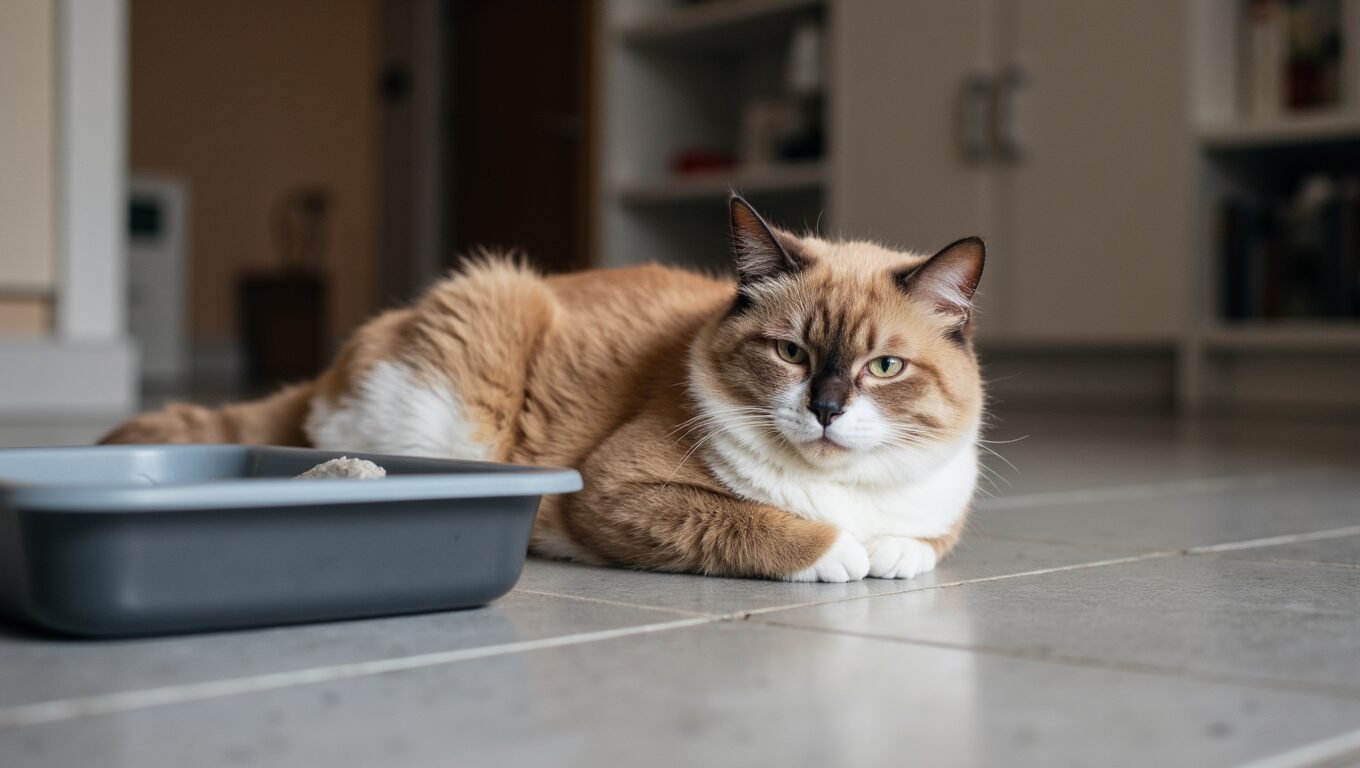
When older cats begin peeing outside their litter tray, it can be worrying and messy. This change in behaviour often happens because of health problems or difficulties linked to ageing. Understanding the reasons helps you look after your cat better.
The following sections explore common health issues, signs to watch for, and why seeing a vet is crucial.
🔑 What You’ll Learn & Why It Matters
- Health issues causing urination problems: Recognising these helps prompt timely veterinary care.
- Care strategies for elderly cats: Practical tips improve comfort and reduce accidents.
- When euthanasia might be considered: Guides owners through emotionally difficult decisions with compassion.
What Health Issues Can Cause This?
- Urinary Tract Infections (UTIs) are infections in the tubes that carry urine out. They make peeing painful or urgent, so a cat might pee anywhere to try to feel better.
- Kidney Disease is common in older cats. When kidneys don’t work well, cats might drink and pee more often, sometimes missing the litter box.
- Diabetes causes extra thirst and peeing, which can lead to accidents if your cat doesn’t make it in time.
- Arthritis makes joints painful and stiff. If your cat finds it hard or painful to get into the litter box, it might choose other spots that are easier to reach.
- Cognitive Dysfunction (similar to dementia) affects memory and awareness. Your cat might forget where the litter box is or lose the urge to use it properly.
What Signs Should You Watch For?
- Peeing or pooping outside the litter box.
- Drinking water much more than usual.
- Limping, stiffness, or reluctance to jump.
- Confusion or changes in behaviour, like wandering or meowing at night.
- Changes in appetite or grooming habits.
Why Should You See the Vet?
If your older cat starts peeing everywhere, it’s important to book a vet visit as soon as possible. The vet will check for infections, kidney problems, diabetes, arthritis, or signs of cognitive issues. Early diagnosis helps treat your cat faster and may improve their comfort and quality of life.
Catching health problems early means your older cat can get help to feel better — and you’ll avoid a lot of stress cleaning up messes. So keep an eye on your furry friend’s habits and never hesitate to ask your vet for advice.
Source: RSPCA UK – Caring for older cats
🧹 How Can You Care for an Elderly Cat Peeing Everywhere?
Caring for an old cat that is peeing outside the litter box can be tough, but there are ways to make life better for both of you. First, it’s important to understand that this behaviour is common in elderly cats and usually linked to health or comfort issues—not bad behaviour.
How Should You Manage the Litter Box?
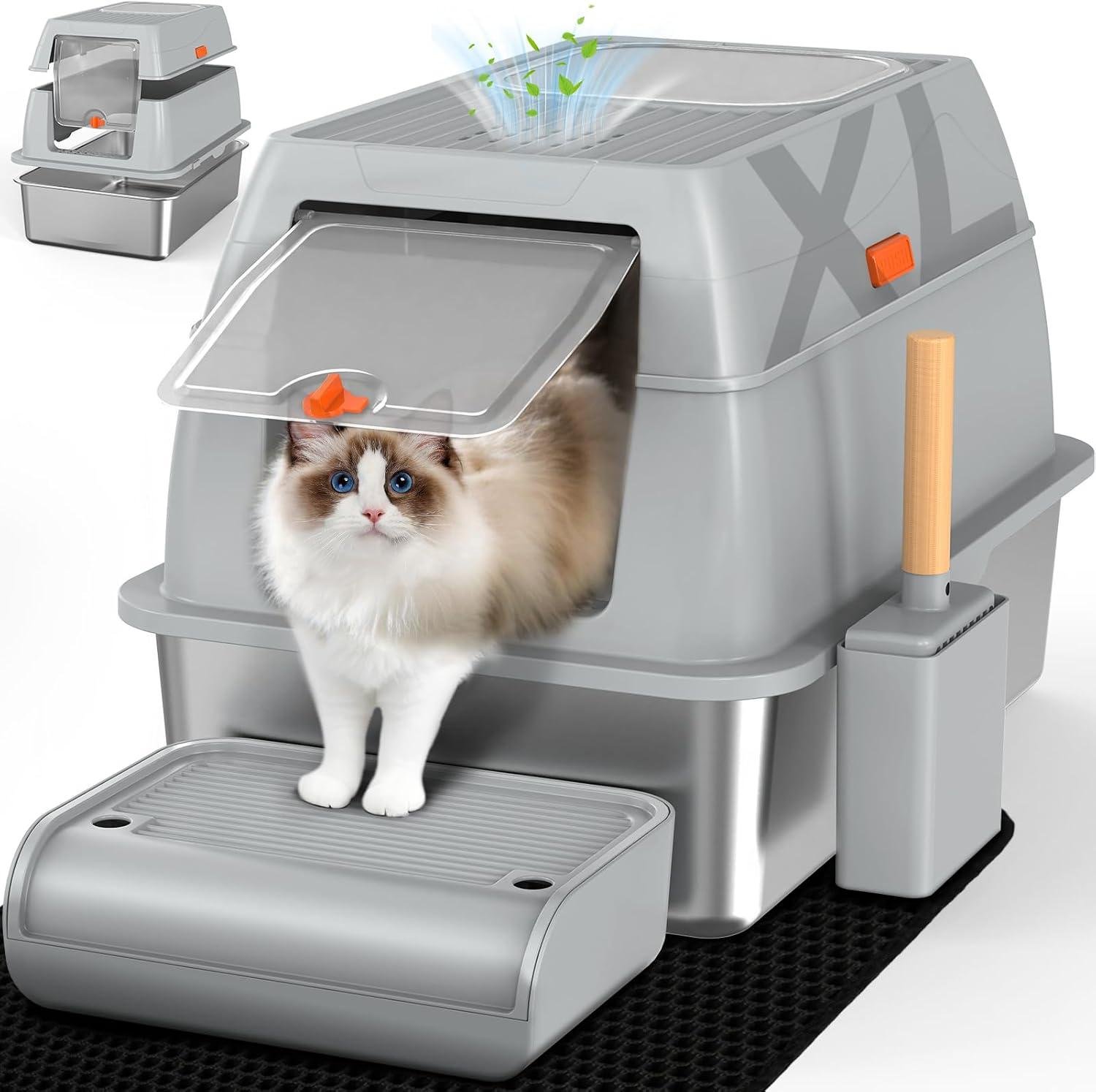
Make sure the litter box is extra clean and easy for your cat to access. Scoop it daily and wash it regularly to keep smells away. Some older cats have arthritis or vision problems, so consider getting a litter box with lower sides for easier entry. Having multiple litter boxes in quiet, easy-to-reach places around your home can help if your cat is struggling to get to the box in time.
Source: RSPCA UK – Older cats litter box needs
What Environmental Changes Can Help?
Old cats might get confused or stressed by changes. Try to keep your cat’s routine consistent. Make sure there’s a comfy, warm resting spot nearby, and provide gentle lighting at night to help with navigation. If your cat is peeing in certain areas, placing a litter box there for a while might encourage proper use.
Can Diet Make a Difference?
Sometimes diet affects urinary health. Feed your cat a quality diet suited for seniors, which supports kidney health and keeps urine less irritating. Plenty of fresh water should always be available to reduce risks of urinary infections or stones, which can cause accidents.
When Should You Consider Medical Treatment?
If your old cat is peeing everywhere, a trip to the vet is important. Conditions like urinary tract infections, kidney issues, or diabetes could cause accidents. The vet can check for diseases and suggest medical treatment if needed. Pain relief for arthritis or other problems might also improve your cat’s comfort and litter habits.
What About the Thought of ‘Old Cat Peeing Everywhere Euthanasia’?
Thinking about euthanasia is hard. It’s something some owners face when their cat’s quality of life is very poor and nothing else helps. But before considering this, try to address the problems above and work closely with your vet. The goal is to keep your cat comfortable and happy for as long as possible. You’re doing a kind and loving job by caring so thoughtfully for your older friend.
⚖️ When to Consider Euthanasia for Your Old Cat
Thinking about euthanasia for your senior cat is really tough. It’s a deeply personal decision, but there are some signs that can help us understand when it might be the kindest choice.
How Do We Know When the Time is Right?
Quality of life is the key. This means looking at how happy and comfortable your cat is day to day. If your cat is living with pain or struggling to do things they used to enjoy, it might be time to think about euthanasia.
Signs of Pain and Suffering
Older cats can have arthritis, which makes moving painful. Watch for reluctance to jump or climb stairs, or changes in behaviour like less grooming. Sometimes cats hide or become grumpy when in pain because they feel vulnerable. Pain doesn’t always show clearly, but these changes matter.
Trouble with Elimination
If your cat can’t control their bladder or bowels, it can be stressful and uncomfortable for them. Soiling themselves or the house is upsetting for everyone and can cause skin sores or infections, making their life harder.
Loss of Appetite and Weight
When a cat loses interest in food or starts losing a lot of weight, especially if they appear weak, it might mean they are unwell in a way that medicine can’t fix. Refusing to eat is a strong sign that their body is struggling.
Overall Wellbeing
Look at whether your cat still seems happy and engaged. Cats who hide a lot, stop interacting, or have frequent vomiting or diarrhoea may be suffering. If treatments don’t help and your cat has more bad days than good, it’s time to think about their comfort.
Trusting Your Vet and Your Feelings
Your vet can guide you about your cat’s health and help assess when euthanasia is the kindest decision. But you know your cat best. Trust your instincts. It’s about giving your cat peace and dignity.
Choosing euthanasia is a very loving act when your cat’s quality of life has declined significantly. It helps end their suffering and offers them a peaceful way to say goodbye.
Source: Blue Cross UK – End of life care and euthanasia
💬 Talking to Your Vet About Your Old Cat’s Health and Euthanasia
How do I prepare for the conversation about my cat’s urination problems?
Start by writing down everything you’ve noticed about your cat. For example, has your cat been peeing outside the litter box or drinking more water? Note any changes in behaviour or appetite. Prepare specific questions to ask, like “What could be causing my cat’s urination problems?” or “Are there treatments that can help?” Having your concerns and questions ready helps the vet understand the full picture.
How can I understand and talk about euthanasia with my vet?
Euthanasia means gently ending your cat’s life to stop pain and suffering when there’s no cure. It’s a difficult topic, but vets want to support you with honest advice. Ask your vet about your cat’s quality of life, signs of pain, and when it might be kindest to consider euthanasia. Don’t hesitate to ask how the process works and what to expect. Knowing what’s involved can ease your worries.
What support can I get from my vet?
Your vet is a partner in your cat’s health, especially in the later years. They can guide you through treatment options, pain relief, and how to make your cat comfortable. If you feel overwhelmed, ask if your vet offers support services or can recommend local groups for pet owners facing similar challenges. Remember, you’re not alone in this.
The trust you build with your vet helps give your old cat the best care and dignity. Speaking openly about concerns, treatments, and euthanasia ensures you’re doing what is best for your furry friend.
Source: Veterinary Management Group UK – Talking about euthanasia
❤️ Coping with the Emotional Challenges
Dealing with an older cat who starts peeing everywhere can feel really overwhelming. You love your furry friend, but the sudden mess and changes can be hard on you. Adding the thought of euthanasia makes it even tougher. It’s perfectly normal to feel sad, confused, or even guilty during this time.
How can you cope with these emotions? First, it helps to talk to someone. Friends and family who love cats can offer support and understanding. Joining UK-based cat owner groups online or in your community can also connect you with others going through similar experiences. Sharing your feelings can lighten the burden.
Looking after your own wellbeing is important too. Make sure you’re getting enough rest, eating well, and taking moments just for yourself. Try simple activities that calm you, like a short walk or listening to music.
Remember, it’s okay to ask your vet for advice not only about your cat’s health but also about how you’re feeling. Vets often understand how hard these decisions are and can guide you gently through what to expect.
Facing these emotional challenges together can help both you and your cat. You’re doing your best, and that love shows every day. Taking things step by step and seeking support will help you find the strength needed during this difficult time.
Source: Pets at Peace UK – Coping with pet loss and grief
📝 Conclusion
If your older cat starts peeing everywhere, it can be a sign of health problems or pain. Understanding why this happens is the first step. Managing your cat’s care with help from your vet can make a big difference. Sometimes, if your cat is very unwell and having more bad days, euthanasia might be a kind choice to end suffering. It’s important to talk openly with your vet about what is best for your cat. Remember, making these hard decisions comes from love. You’re doing your best for your furry friend, with care and kindness.