🐾 Introduction to Pelvic Fractures in Cats
A broken pelvis in cats is a serious injury that causes a lot of pain. The pelvis is the large bone at the back of the cat’s body, near the hindlegs. When this bone breaks, it makes it hard for cats to move their back legs properly. This is why a broken pelvis is very important to understand. In fact, pelvic fractures make up about 25% of all bone breaks in pets. That means this problem happens quite often. In this article, we will talk about what causes pelvic fractures in cats, how to spot the signs, how vets find out what is wrong, the treatments, costs involved, what recovery looks like, how well cats get better, and ways to help stop this from happening.
🔑 What You’ll Learn & Why It Matters
- Pelvic fractures in cats are common: Knowing this helps pet owners be vigilant.
- Understanding causes and symptoms: Early detection improves treatment success.
- Treatment and recovery insights: Helps ensure best care and outcomes for cats.
🦴 Understanding the Pelvis Anatomy in Cats
What Is the Pelvis in Cats?
The pelvis is a strong, bowl-shaped structure in your cat’s lower body. Think of it like a box that connects your cat’s hind legs to its main body. This box forms the hip joint, which lets the legs move smoothly.
What Are the Three Bones of the Pelvis?
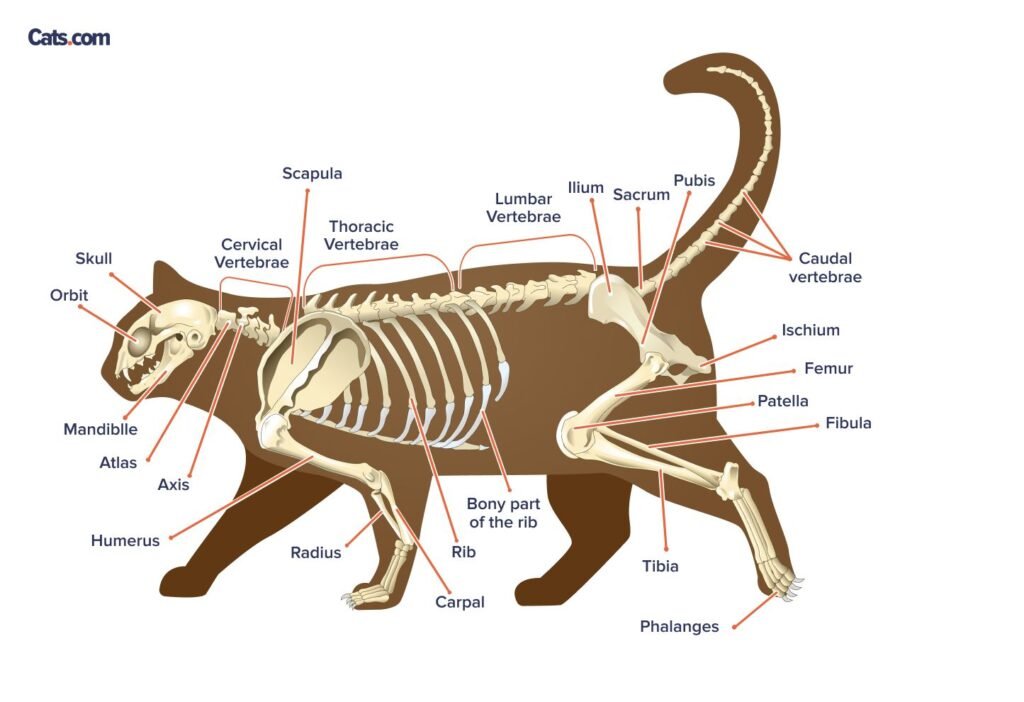
- Ilium: This is the wide, upper part of the pelvis. It helps connect the spine to the pelvis. It also acts like a handle for muscles to attach so your cat can move its legs and hips.
- Ischium: This is the lower back part of the pelvis. It supports your cat when it sits down. It also forms the bottom part of the hip socket where the thigh bone fits.
- Pubis: This is the front part of the pelvis. It connects the two sides of the pelvis together in the middle, giving the pelvis strength.
How Does the Pelvis Work?
The pelvis acts like a sturdy box that holds your cat’s hind limbs to the body. Its shape and bones fit together tightly to form the hip joint. This joint lets your cat walk, jump, and run with ease.
What Does the Pelvis Protect?
Inside the pelvis, there are important organs like parts of the intestines and bladder. The strong bones of the pelvis keep these vital organs safe from injury.
Why Is the Pelvis Important for Weight Support?
When your cat stands or walks, the pelvis supports all its weight from the hind legs. It helps spread the weight evenly through the pelvis and into the legs, so your cat stays balanced and strong.
The pelvis is a key part of your cat’s body. It connects the legs to the body, protects important organs, and supports movement and weight. Knowing about the pelvis anatomy helps us understand how cats move and stay healthy.
⚠️ What Causes Pelvic Fractures in Cats?
A pelvic fracture means a break in the bones around a cat’s hips. This area is important because it supports the back legs and helps with walking and sitting. Let’s look at the main reasons why cats get these fractures.
How Can Car Accidents Hurt Cats?
One big reason for pelvic fractures is getting hit by a car. Imagine a cat running across a busy street. Cars are fast and heavy, so if a cat is hit, the bones in its hips can break easily. This is a common and serious cause because the force from the car is strong.
Why Do Falls Cause Pelvic Fractures?
Cats love to climb, right? Sometimes, they jump or fall from high places like trees, fences, or balconies. Even though cats usually land on their feet, falling from a great height can still hurt their bones. The impact when they hit the ground can cause fractures in the pelvis.
Less Common Causes: How Can Diet and Disease Affect Bones?
Sometimes, cats don’t break hips because of accidents. Their bones can get weak for other reasons.
- Nutritional Disorders: If a cat’s diet lacks important nutrients like calcium or vitamin D, its bones might become brittle. Think of bones like bricks in a wall; if the bricks are weak, the wall can crack more easily.
- Cancer: Some cancers can spread to bones or affect how strong bones are. When bones are weaker, even small bumps might cause fractures.
How Does Behavior Affect the Risk?
Some cats are more likely to get hurt because of how they act or live:
- Roaming Unneutered Male Cats: Male cats that haven’t been neutered often roam farther and get into fights or dangerous places. This increases their chances of getting hit by cars or falling.
- Cats that spend lots of time outdoors have higher risks because of traffic and heights.
What Does This Mean for You and Your Cat?
If your cat goes outside, especially if it’s an unneutered male, they face more dangers like cars and falls. Feeding your cat a balanced diet helps keep bones strong. Neutering can reduce roaming and risky behavior too.
Knowing these causes helps us keep our cats safer and healthier. Watching where they go, feeding them well, and keeping them close can make a big difference.
🔎 Recognising Symptoms of a Broken Pelvis in Cats
How can you tell if your cat has pelvic pain?
If your cat has a broken pelvis, you might notice signs that they are hurting. Your cat may seem very sensitive when you touch its hips or lower back. It could also cry out or meow loudly if something hurts a lot. This kind of pain is a strong clue something is wrong with the pelvis.
What makes a cat’s walking seem different with a pelvic fracture?
A cat with a broken pelvis usually has trouble walking. You might see limping or favouring one side. Sometimes, they might drag their back legs or wobble when they try to move. This difficulty happens because the break makes it hard and painful for their legs to work properly.
Why would a cat with a pelvic fracture hide more than usual?
Cats often hide when they don’t feel well. If your cat suddenly spends more time in secret places or looks for quiet spots, it may be trying to protect itself from pain or fear. A pelvic fracture can make cats want to stay hidden because moving hurts.
Can a pelvic fracture change a cat’s bathroom habits?
Yes, a broken pelvis can cause problems with urinating or pooping. This happens because the pelvic canal—the passage where urine and feces leave the body—can get narrower when the pelvis breaks. Your cat might have accidents outside the litter box or strain when trying to go.
Is swelling or bruising easy to see on a cat’s pelvis?
Swelling or bruising around your cat’s pelvis can be hard to spot. Cats have fur that covers their skin, and sometimes the swelling is deep under the skin. So, you may not see clear signs like redness or lumps, even if there is a serious injury.
By knowing these symptoms—pain, trouble walking, hiding a lot, vocalizing, and bathroom problems—you can spot a possible pelvic fracture early and get your cat the care it needs. Swelling or bruising might be subtle, so looking closely at your cat’s behaviour is key.
🩺 How Do Vets Diagnose Pelvic Fractures in Cats?
If your cat hurts their pelvis, vets need to figure out what’s wrong carefully. The pelvis is the bone area near the hips, and fractures here can be painful and tricky. Vets use a mix of physical exams and imaging tools like x-rays and sometimes CT scans to see what’s going on inside.
What Happens in a Physical Exam?
First, the vet looks at how your cat moves and feels the pelvis area gently. They check if the bones feel out of place or if your cat reacts to touch, which can show pain or swelling. The vet also looks for signs like trouble walking, limping, or unusual positions.
Why Is Stabilizing Your Cat So Important?
Before any detailed checks, the vet focuses on stabilizing your cat. This means making sure your cat is calm, safe, and not in too much pain. Managing pain is a big part of this because a hurting cat can get stressed or move in ways that make the injury worse.
How Do X-Rays Help?
X-rays are a kind of picture that shows bones clearly. They help the vet see where the pelvis might be cracked or broken. X-rays are quick and can be done with your cat lying down gently. This helps the vet plan the best treatment.
When Are CT Scans Used?
Sometimes, x-rays don’t show all the details. That’s when a CT scan comes in. A CT scan is a special, stronger type of imaging that takes many pictures from different angles. This lets the vet see the bones in 3D and find small fractures that x-rays might miss.
Checking for Other Injuries
Pelvic fractures often happen because of accidents or falls. So, vets don’t just check the pelvis—they look for other injuries too. This can mean examining the abdomen or chest for signs of bleeding or organ damage, which is important to keep your cat safe.
Putting It All Together
In short, diagnosing pelvic fractures involves careful physical checks, calming and stabilizing your cat, and using imaging tools like x-rays or CT scans. Managing pain and checking for other injuries keeps your cat as comfortable and safe as possible during this tough time. This approach helps vets find the best way to heal your cat’s pelvis and get them moving again.
🩹 Treatment Options for Pelvic Fractures in Cats
How do we treat a broken pelvis in cats?
When a cat breaks its pelvis, the treatment depends on how bad the break is and where exactly it happened. Sometimes, the bones are still lined up well, and the break is simple. Other times, the bones are moved out of place or there are multiple breaks.
When is rest and conservative care enough?
If the bones are lined up well and not too badly broken, your cat might only need rest and careful care. This means keeping your cat in a small, cozy space so it doesn’t jump or run. Resting helps the bones heal on their own. Your vet will also give your cat pain medicine to keep it comfortable.
When is surgery needed?
Surgery is needed when the bones are out of place or the fracture is complex. Surgery helps put the bones back where they belong so they can heal properly. It lowers the chance of long-term problems like walking trouble or pain.
What kinds of surgery are used?
- Plates: Thin metal strips that are attached to the bone with screws to hold pieces in place.
- Wires: Strong metal wires can wrap around or through bones to pull broken parts together.
- Screws: These secure bones or plates firmly to keep everything steady.
Sometimes vets use all three tools depending on the break.
How do we help cats heal after surgery or rest?
Pain relief is very important. Your vet will give meds to keep your cat from hurting. Supporting your cat means making it comfy with soft bedding and quiet space. You’ll also watch to make sure your cat can use its bathroom litter box easily.
Follow-up visits let your vet check if the bones are healing well. Keeping your cat calm and limiting movement for several weeks helps the bones grow back strong.
What practical tips should I remember?
- Keep your cat in a small area to stop lots of jumping or running.
- Give pain meds exactly as your vet says.
- Make sure your cat is eating, drinking, and able to use the litter box.
- Watch for any signs of trouble like limping or not eating and tell your vet.
- Be patient—hips take time to heal fully.
Taking good care of your cat this way helps it get back to its happy, active self!
🛌 Recovery and Long-Term Care After Pelvic Injury
What Happens After a Cat Has a Pelvic Fracture?
When your cat breaks its pelvis—a ring of bones connecting the spine to the back legs—it needs time to heal safely. The first steps usually focus on keeping your cat calm and still.
Why Is Exercise Restriction Important?
Moving too much too soon can stop the bones from healing properly. Exercise restriction means limiting your cat’s movement. This helps the broken bones stay in place, so they can knit back together.
What Is Cage Rest, and How Does It Help?
Cage rest is when your cat stays in a small, comfortable space to keep from moving a lot. This might be a large crate or a small room with food, water, and a litter box nearby. Cage rest lowers the chance of making the injury worse.
How Do You Slowly Increase Activity?
After some time, usually a few weeks, your vet might recommend letting your cat move a bit more. You can start by letting them stretch or walk around under your watch. Slowly increasing activity helps muscles stay strong without stressing the healing bones.
Why Are Follow-Up X-Rays Needed?
X-rays are pictures of the bones inside the body. Your vet will take follow-up x-rays to check if the pelvis is healing well. This helps decide when your cat can safely start moving around more.
What Complications Can Happen, and How Do You Manage Them?
Skin Wounds
If your cat stays in one place too long, it can get sores or wounds on its skin from pressure. Check its skin every day, especially on bony areas. Gently clean any wounds and talk to your vet if you see redness or swelling.
Constipation
Constipation means your cat may have trouble pooping. This can happen because your cat moves less and might feel discomfort. To help, make sure your cat drinks enough water and eats fiber-rich food. Your vet might give medicine to ease constipation if needed.
A Few Words for You — The Cat Owner
Taking care of your cat after a pelvic injury can feel tough. Watching them rest so much might seem hard, but it’s the best way to help their bones heal strong and healthy. Keep giving your cat love and patience. Little steps in care lead to big improvements. Your cat is lucky to have you helping them heal!
💰 Cost of Treating Pelvic Fractures in Cats
What Does Treating a Broken Pelvis in Cats Usually Cost?
When a cat breaks its pelvis, the vet needs to check it carefully. This starts with a vet exam, which often costs around $50 to $150. The vet will feel the area and ask questions about how the injury happened.
Why Are X-Rays Important and What Do They Cost?
X-rays take pictures of the bones inside your cat’s body. They help the vet see how bad the break is. X-rays usually cost between $100 and $300 for a cat’s pelvis.
How Much Do Medications Cost?
After the exam and x-rays, your cat might need pain medicine or antibiotics to stop infections. Medications can cost $20 to $100, depending on how much and how long your cat needs them.
When Does Surgery Come Into Play?
If the pelvis is badly broken or the bones are out of place, surgery might be needed. Surgery costs a lot more — typically between $1,000 and $3,000. This depends on the complexity and where you live.
What Affects the Total Cost?
The total cost changes depending on how bad the injury is and where you live. For example, a small crack might only need pain meds and rest. That could cost less than £200 total. But a serious fracture needing surgery can easily cost thousands.
Simple Example:
- Mild Injury: Vet exam (£100) + x-rays (£150) + meds (£50) = About £300
- Severe Injury: Vet exam (£100) + x-rays (£200) + surgery (£2,000) + meds (£100) = Around £$2,400
Knowing these parts helps you plan better if your cat ever needs treatment. Each case is different, but this shows the common costs for a broken pelvis in cats.
📈 Prognosis and Outlook for Cats with Pelvic Fractures
What Happens When a Cat Has a Pelvic Fracture?
A pelvic fracture means your cat’s hip area bone has broken. This can happen from accidents like falls or being hit by a car. The good news is, with the right treatment, many cats heal well from these injuries.
What Does “Proper Treatment” Look Like?
Proper treatment usually means your vet will make sure the broken bones are lined up well. Sometimes, this can be done by keeping your cat calm and resting. Other times, surgery is needed to fix the bones with pins or plates.
How Well Do Cats Usually Recover?
Most cats recover well when they get good care. They can walk and play again just like before. Your vet will watch your cat carefully and may suggest X-rays to see how the bones are healing.
Are There Any Long-Term Effects?
Sometimes, cats might have small changes after recovery. They may have a little stiffness or need to move more slowly, especially when they get older. Some cats might have trouble going to the bathroom if the fracture affected nearby nerves.
What If Surgery Is Needed Later?
If your vet thinks the bones didn’t heal right, or if your cat has pain or trouble moving, surgery can help fix those problems. Surgery can improve how your cat feels and moves.
What Can You Do to Help Your Cat?
Making sure your cat rests a lot and doesn’t jump or run during healing is super important. Giving medicines your vet recommends can also help with pain and swelling.
You’re Not Alone
It’s normal to feel worried, but remember—many cats bounce back really well from pelvic fractures. Your vet is there to guide you, and with patience, your cat has a great chance to live a happy life again.
🏁 Conclusion and Final Thoughts on Pelvic Fractures in Cats
Pelvic fractures in cats happen when the bones in their hips get broken, often due to accidents like falls or getting hit by a car. You might notice your cat limping, having trouble walking, or showing pain when you touch their hips. The good news is that with quick and proper veterinary care, most cats can heal well from these injuries.
Treatment usually involves rest, pain control, and sometimes surgery depending on how bad the break is. Recovery takes time and patience, but with the right care, your cat has a great chance of returning to their usual playful self. Remember, the key to a good recovery is acting fast and working closely with your vet to give your cat the best care possible. Pelvic fractures in cats may seem scary at first, but with timely treatment and love, your cat can bounce back strong.